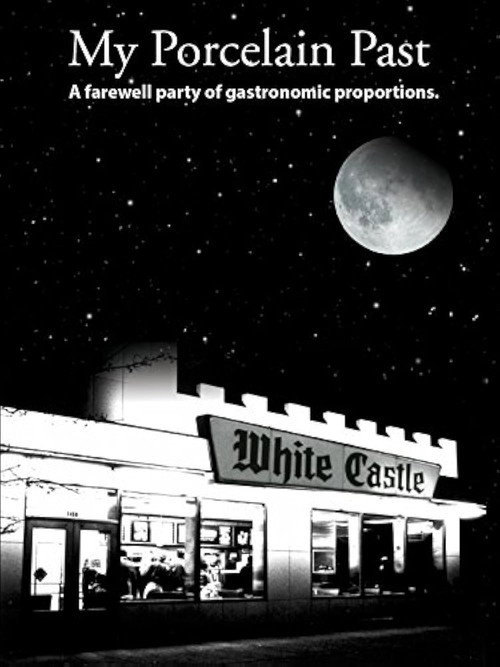
My Porcelain Past 1992
Ron Schildknecht's *My Porcelain Past (1992)* captures a bittersweet slice of Louisville history through the lens of a humble White Castle restaurant.
Director: Ron Schildknecht
Frequently Asked Questions
What is My Porcelain Past (1992) about?
*My Porcelain Past* explores the emotional impact of a White Castle restaurant closing after 32 years in Louisville. The film documents the public outcry, blending nostalgia with the universal theme of losing a local landmark. It's a snapshot of how small places leave big impressions on the communities they serve.
Who directed My Porcelain Past?
Director information is not available.
Who stars in My Porcelain Past?
The film features Louisville residents and White Castle #12 regulars whose voices shape its heartfelt narrative.
Is My Porcelain Past (1992) worth watching?
As a 19-minute documentary, *My Porcelain Past* offers a concise but powerful meditation on community and change. While it may lack a traditional plot, its raw authenticity makes it a compelling watch for fans of local history and urban nostalgia.
How long is My Porcelain Past?
The runtime is 19 minutes.
About My Porcelain Past (1992) — How a Louisville White Castle became a neighborhood's heartbeat
Ron Schildknecht's *My Porcelain Past (1992)* captures a bittersweet slice of Louisville history through the lens of a humble White Castle restaurant. For over three decades, White Castle #12 stood at a bustling intersection, serving as more than just a cheap eatery—it was a refuge from the cold, a late-night meeting spot, and a neighborhood institution. When plans to shut it down surfaced due to a rent dispute, the local community erupted in a wave of nostalgia and frustration, revealing just how deeply this unassuming burger joint had woven itself into the fabric of daily life.
This documentary transforms an ordinary fast-food chain into a symbol of shared memories and community bonds. With its short 19-minute runtime, *My Porcelain Past* distills decades of local history into a poignant reflection on change and belonging. Through candid interviews and archival touches, Schildknecht turns a simple closure announcement into a celebration of the places—and people—that define us.