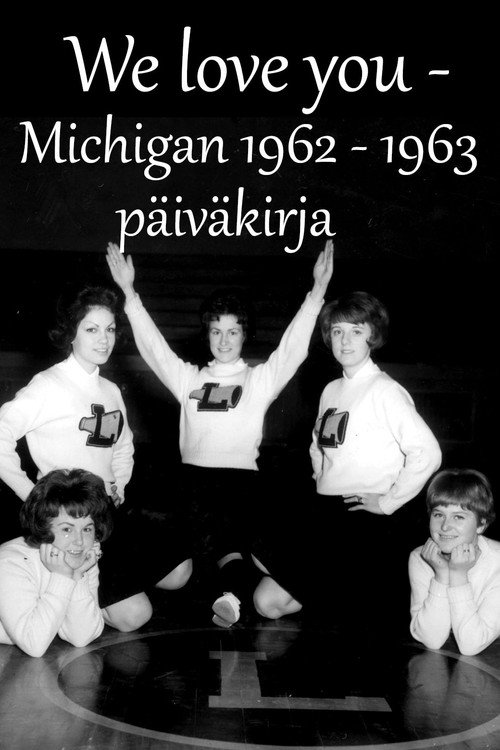
We Love You - Michigan 1962-1963 päiväkirja 1998
We Love You - Michigan 1962-1963 päiväkirja (1998) offers a unique glimpse into a pivotal era through documentary storytelling.
Director: Marja Pensala
Cast

Frequently Asked Questions
What is We Love You - Michigan 1962-1963 päiväkirja (1998) about?
This documentary explores personal stories and experiences from Michigan during 1962-1963, a transformative period in American history. Through intimate narratives and historical context, it examines themes of identity, community, and social change during the early 1960s.
Who directed We Love You - Michigan 1962-1963 päiväkirja?
The documentary was directed by Marja Pensala, who brings her distinctive voice to this exploration of personal and historical narratives.
Who stars in We Love You - Michigan 1962-1963 päiväkirja?
Elsa Saisio features prominently in this documentary, contributing to its intimate storytelling approach.
Is We Love You - Michigan 1962-1963 päiväkirja (1998) worth watching?
For viewers interested in historical documentaries and personal narratives from the 1960s era, this film offers valuable insights. The documentary format provides authentic perspectives on a significant time period, making it worthwhile for those exploring American social history.
How long is We Love You - Michigan 1962-1963 päiväkirja?
Runtime details are not listed for this documentary release.
We Love You - Michigan 1962-1963 päiväkirja (1998): A Documentary Portrait of a Pivotal Era
We Love You - Michigan 1962-1963 päiväkirja (1998) offers a unique glimpse into a pivotal era through documentary storytelling. Directed by Marja Pensala, this film explores personal narratives against the backdrop of significant social changes in America's Midwest during the early 1960s. The documentary format allows for intimate access to memories and experiences that shaped both individuals and communities.
Featuring Elsa Saisio in a prominent role, the film combines personal testimony with historical context to create an authentic portrait of its time period. As a documentary, it delves into themes of identity, belonging, and the transformative power of human connection during years that would prove crucial to American social evolution. The atmosphere is reflective and poignant, capturing both the personal and political through carefully curated stories.
This 1998 release serves as both historical document and personal journey, offering viewers a chance to witness how ordinary lives intersected with extraordinary times. The film's approach to storytelling emphasizes authenticity and emotional resonance, making it a compelling choice for those interested in personal histories set against broader cultural shifts.