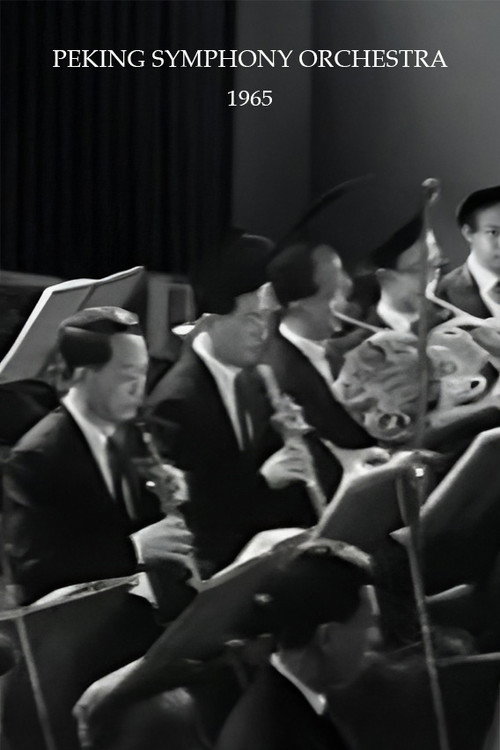
Peking Symphony Orchestra 1965
Step into the musical elegance of 1965 with *Peking Symphony Orchestra (1965)*, a rare black-and-white documentary capturing a mesmerizing concert performance by the Peking Symphony Orchestra.
Director: Felix Greene
Cast
Frequently Asked Questions
What is Peking Symphony Orchestra (1965) about?
*Peking Symphony Orchestra (1965)* documents a live concert by the Peking Symphony Orchestra, conducted by Li Teh-Lun, featuring performances of Western classical compositions. The film highlights the cultural significance of classical music in mid-20th century China, blending orchestral brilliance with historical insight.
Who directed Peking Symphony Orchestra?
The film was directed by Felix Greene, a filmmaker known for his cultural and documentary works during the 1960s.
Who stars in Peking Symphony Orchestra?
The documentary features conductor Li Teh-Lun leading the Peking Symphony Orchestra, with performances central to the film's narrative.
Is Peking Symphony Orchestra (1965) worth watching?
As an unrated short documentary, *Peking Symphony Orchestra (1965)* offers a unique historical and musical experience. Its concise runtime and focus on classical music make it a niche but rewarding watch for enthusiasts of the genre and period.
How long is Peking Symphony Orchestra?
The runtime of *Peking Symphony Orchestra (1965)* is 21 minutes.
About Peking Symphony Orchestra (1965) — A Glimpse into 1960s Classical Music History
Step into the musical elegance of 1965 with *Peking Symphony Orchestra (1965)*, a rare black-and-white documentary capturing a mesmerizing concert performance by the Peking Symphony Orchestra. Directed by Felix Greene, this short film invites viewers to experience the fusion of Western classical music with Eastern artistic sensibilities. Led by the accomplished conductor Li Teh-Lun, the orchestra performs Liszt's Piano Concerto No. 2, delivering a performance rich in emotion and technical brilliance. The film immerses audiences in an era where classical music transcended borders, offering a glimpse into the cultural exchanges of the mid-20th century.
The documentary's atmosphere is one of timeless sophistication, framed by the monochrome aesthetic of the 1960s. It serves as both a historical artifact and a celebration of musical artistry, appealing to classical music enthusiasts and history buffs alike. *Peking Symphony Orchestra (1965)* stands as a testament to the universal language of music, bridging divides through its harmonious presentation.