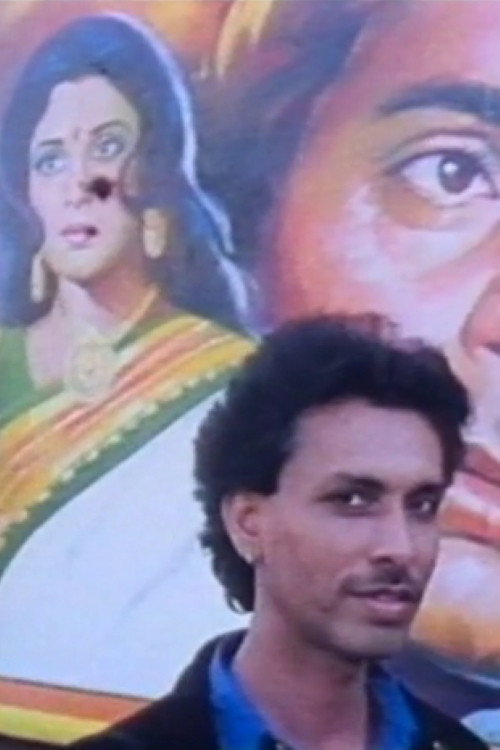
India Postcard 1989
India Postcard (1989) is a brief yet significant short film that offers a personal window into the life of a gay man in India.
Director: Sunil Gupta
Frequently Asked Questions
What is India Postcard (1989) about?
India Postcard (1989) is a short video postcard featuring personal reflections from a gay man's perspective in India, created as part of Channel 4's early LGBT television series.
Who directed India Postcard?
The film was directed by Sunil Gupta, who crafted this intimate portrait as a commissioned piece for British television.
Who stars in India Postcard?
Cast information for India Postcard (1989) is currently not available in the provided records.
Is India Postcard (1989) worth watching?
Despite its brief five-minute runtime and unrated status, India Postcard holds significant value for those interested in LGBT film history and cross-cultural perspectives on gay identity in the late 1980s.
How long is India Postcard?
India Postcard runs for approximately 5 minutes.
About India Postcard (1989) — Early LGBT Cinema Milestone
India Postcard (1989) is a brief yet significant short film that offers a personal window into the life of a gay man in India. Directed by Sunil Gupta, this five-minute video postcard was commissioned as part of Channel 4's groundbreaking Out on Tuesday series, which stood as one of the earliest dedicated LGBT broadcast programs in the United Kingdom. The film represents an important milestone in queer cinema, providing intimate storytelling from a perspective rarely seen on mainstream television during the late 1980s.
Through its concise runtime, India Postcard (1989) captures the unique intersection of cultural identity and sexual orientation, presenting a heartfelt message from across the globe. The atmospheric piece serves as both personal correspondence and cultural artifact, reflecting the growing visibility of LGBT voices during an era of increasing social change. Though the cast details remain undocumented, the film's power lies in its authentic representation and historical context within early queer media.
This short documentary-style work remains culturally relevant for viewers interested in LGBT history, Indian perspectives on sexuality, and the evolution of queer representation in broadcast media. Its experimental format and personal approach make it a fascinating glimpse into late 1980s attitudes toward gay identity in non-Western contexts.