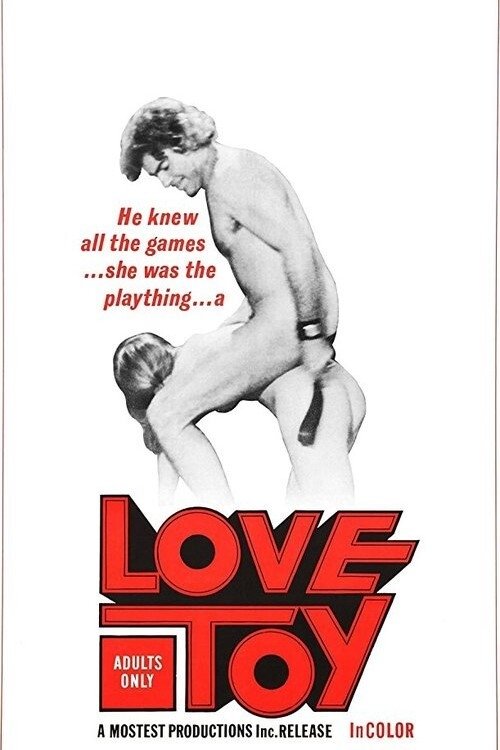
Love Toy 1971
"He knew all the games... she was the plaything!"
Dive into Doris Wishman's 1971 exploitation thriller *Love Toy*, a lurid gem that blends high-stakes risk with psychological peril.
Director: Doris Wishman
Cast

Frequently Asked Questions
What is Love Toy (1971) about?
*Love Toy (1971)* follows a desperate gambler who, unable to cover his debts, makes a horrifying wager: his young daughter. She becomes the prized possession of a manipulative seducer, plunging into a world where manipulation and degradation blur the lines of morality and control.
Who directed Love Toy?
Doris Wishman, the cult filmmaker known for pushing boundaries in exploitation cinema, directed *Love Toy*.
Who stars in Love Toy?
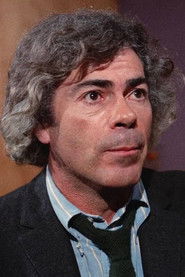
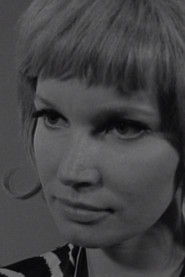
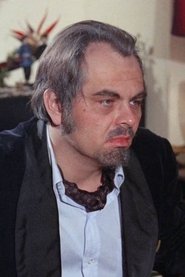
The film features Bernard Marcellin, Pat Happel, Uta Erickson, and Larry Hunter in its central roles.
Is Love Toy (1971) worth watching?
As a time capsule of early exploitation cinema, *Love Toy (1971)* delivers on its promise of unfiltered titillation and twisted narrative twists—but it's best approached with the understanding that its approach to themes may feel dated. It's a curiosity piece rather than a modern classic.
How long is Love Toy?
The runtime for *Love Toy* is 76 minutes.
Love Toy (1971): A Gritty Exploitation Thriller — Full Cast & Details
Dive into Doris Wishman's 1971 exploitation thriller *Love Toy*, a lurid gem that blends high-stakes risk with psychological peril. Follow the twisted fate of a desperate gambler who, unable to pay a gin rummy debt, wagers his own daughter—only to lose her to a predatory playboy steeped in every deviant fantasy imaginable. From bondage and voyeurism to fetishism and forbidden encounters, *Love Toy (1971)* immerses viewers in a world where power, pleasure, and perversion collide, wrapped in the gritty neon glow of early '70s exploitation cinema.
This isn't just a story of high-stakes gambles gone wrong—it's a descent into the darkest corners of human desire, where domination and degradation become currency. With Wishman's unflinching direction and a cast that leans into the era's boldest excesses, the film offers a raw, unfiltered snapshot of societal taboos and taboo-breaking cinema.