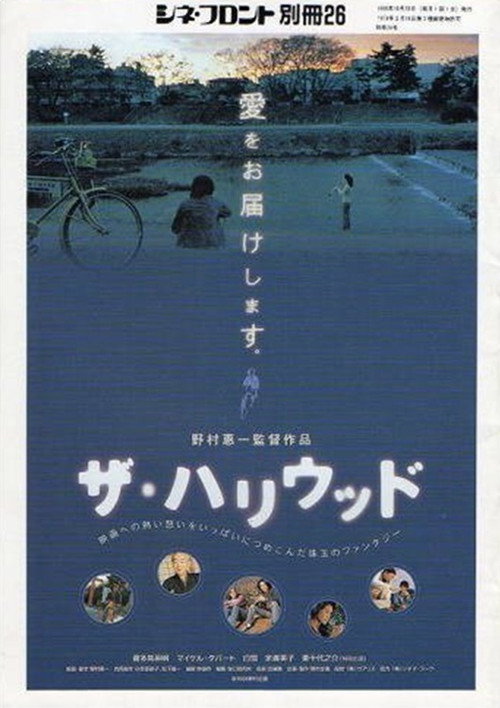
The Hollywood 1998
Set against the neon glow of Kyoto's backstreets, *The Hollywood (1998)* weaves a tender coming-of-age tale through the lens of cinema itself.
Director: Keiichi Nomura
Frequently Asked Questions
What is The Hollywood (1998) about?
*The Hollywood* explores the fleeting connections between a foreign student and a runaway boy whose lives intersect at a tiny Kyoto video rental store. Their bond deepens as they navigate loneliness, identity, and the quiet magic found in the stories we borrow from the screen.
Who directed The Hollywood?
Keiichi Nomura directed *The Hollywood*. His sensitive approach to storytelling infuses the film with warmth and authenticity.
Who stars in The Hollywood?
The main cast includes a foreign student and a runaway boy, though specific names are not listed in official records.
Is The Hollywood (1998) worth watching?
While it's an unrated gem without mainstream recognition, *The Hollywood* offers a reflective, heartfelt experience for fans of slow-burn dramas and nostalgic cinema. Its themes of connection and escape resonate, though it may appeal to a niche audience.
How long is The Hollywood?
*The Hollywood* runs for 112 minutes, offering a concise yet immersive story.
About The Hollywood (1998) — A Hidden Kyoto Love Letter to Cinema and Second Chances
Set against the neon glow of Kyoto's backstreets, *The Hollywood (1998)* weaves a tender coming-of-age tale through the lens of cinema itself. Directed by Keiichi Nomura, this quiet but affecting drama follows the intersecting lives of a homesick foreign student who finds solace in a local video rental shop and a restless runaway seeking escape. Their unlikely connection blossoms amid stacks of VHS tapes and the flickering magic of classic films, turning everyday moments into a poetic meditation on belonging, loneliness, and the films that shape us.
As the seasons shift outside the storefront's windows, *The Hollywood* captures the bittersweet essence of youth—where dreams are both discovered and deferred. Nomura's gentle direction bathes the narrative in a warm, nostalgic glow, grounding its emotional core in the quiet power of small, human interactions. It's a love letter to cinephiles and outsiders alike, proving that sometimes the most profound stories aren't the ones on screen, but those lived in the shadows of the projector's light.