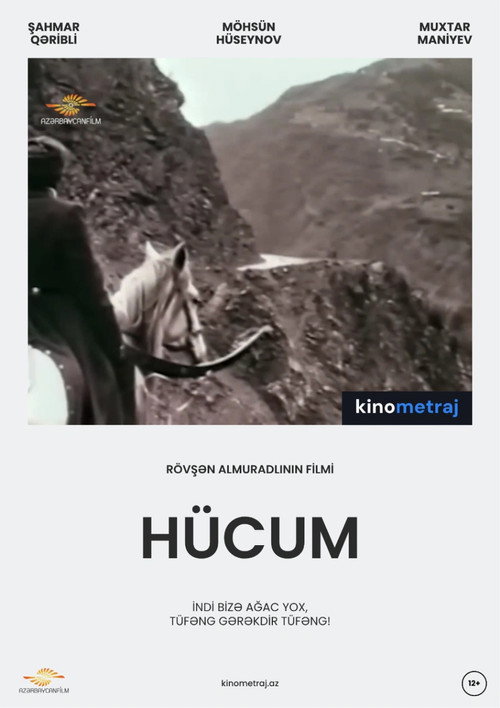
Hücum 1989
Hücum (1989), a 16-minute Azerbaijani short film, delivers a poignant parable on the roots of conflict between Armenians and Azerbaijanis.
Frequently Asked Questions
What is Hücum (1989) about?
Hücum (1989) is a short Azerbaijani parable film that delves into the early origins of hostility between Armenians and Azerbaijanis. It highlights the senselessness of conflict by showing how divisions arise from misunderstandings and aggression, ultimately questioning the very foundations of enmity.
Who directed Hücum?
Director information is not available.
Who stars in Hücum?
Cast details are not listed for Hücum (1989).
Is Hücum (1989) worth watching?
While Hücum (1989) is a short film, its bold exploration of conflict and reconciliation offers a compelling viewing experience. Its thematic depth and atmospheric storytelling make it a thought-provoking watch, especially for those interested in regional history or allegorical cinema.
How long is Hücum?
Hücum has a runtime of 16 minutes.
About Hücum (1989) — A Short Film Exposing the Roots of Conflict and Shared Humanity
Hücum (1989), a 16-minute Azerbaijani short film, delivers a poignant parable on the roots of conflict between Armenians and Azerbaijanis. Through striking visuals and restrained storytelling, it explores the tragic absurdity of violence and the futility of enmity between people who share a common land. The film's minimalist approach contrasts stark landscapes with human emotions, inviting viewers to reflect on cycles of aggression and the senselessness of war. While rooted in a specific historical tension, its universal themes of reconciliation and shared humanity resonate far beyond its brief runtime.
Set against a backdrop of cultural and territorial disputes, Hücum (1989) strips away the noise of propaganda to focus on the raw humanity caught in the middle. The film's atmosphere is one of quiet urgency, mirroring the internal struggles of those forced to defend their homes while questioning the cost of conflict. Though concise in length, its message lingers, challenging audiences to consider the humanity in their opponents and the shared consequences of division.