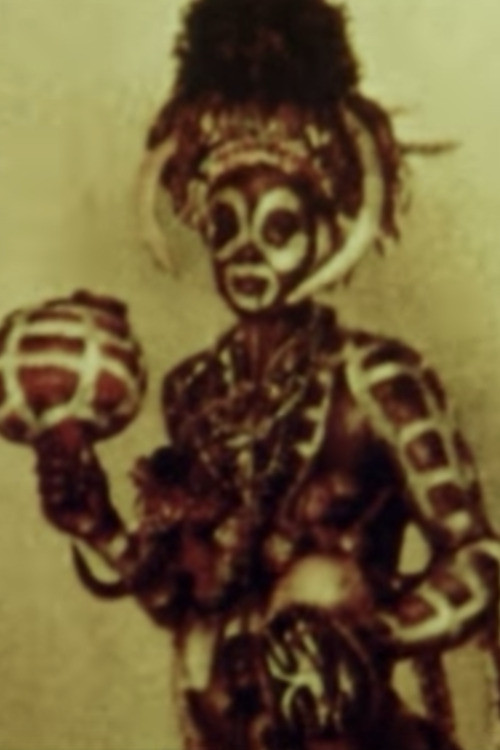
Medea 1973
Medea (1973) is a daring experimental short by visionary filmmaker Ben Caldwell that blends live-action footage with rapid-fire still images, creating a hypnotic collage of African and African American visuals.
Director: Ben Caldwell
Frequently Asked Questions
What is Medea (1973) about?
Medea (1973) is an experimental short film that uses rapid-fire still images and live action to explore Black heritage, identity, and the cultural legacy passed to an unborn child. Director Ben Caldwell layers visuals with Amiri Baraka's poetry, creating a hypnotic meditation on history and art.
Who directed Medea?
Medea was directed by Ben Caldwell, a pioneering experimental filmmaker known for blending live-action and animation in innovative ways.
Who stars in Medea?
Cast details for Medea (1973) are not publicly listed.
Is Medea (1973) worth watching?
While Medea (1973) is a niche experimental film, its bold visual storytelling and cultural themes make it a compelling watch for fans of avant-garde cinema. Its 7-minute runtime demands attention, but rewards with a unique perspective on Black identity and history.
How long is Medea?
Medea (1973) has a runtime of 7 minutes.
About Medea (1973) — Experimental Short Film Redefining Heritage Through Visual Poetry
Medea (1973) is a daring experimental short by visionary filmmaker Ben Caldwell that blends live-action footage with rapid-fire still images, creating a hypnotic collage of African and African American visuals. The film unfolds like a poetic time capsule, weaving together fragments of history, culture, and identity that feel both deeply personal and universally resonant. Caldwell's technique—crafting the entire piece through animation stand manipulation and in-camera editing—transforms the screen into a pulsating canvas of heritage and legacy. Amiri Baraka's evocative poem "Part of the Doctrine" echoes through the film, amplifying its meditation on Black imagery and the weight of cultural inheritance.
This 7-minute avant-garde documentary isn't just a feast for the eyes; it's a raw, unfiltered exploration of what it means to carry the past into the future. Caldwell strips away convention, using visual rhythms and symbolic imagery to confront viewers with the unborn child's inheritance—a legacy shaped by art, struggle, and unspoken truths. The result is a fleeting yet unforgettable experience that lingers like a memory half-remembered.