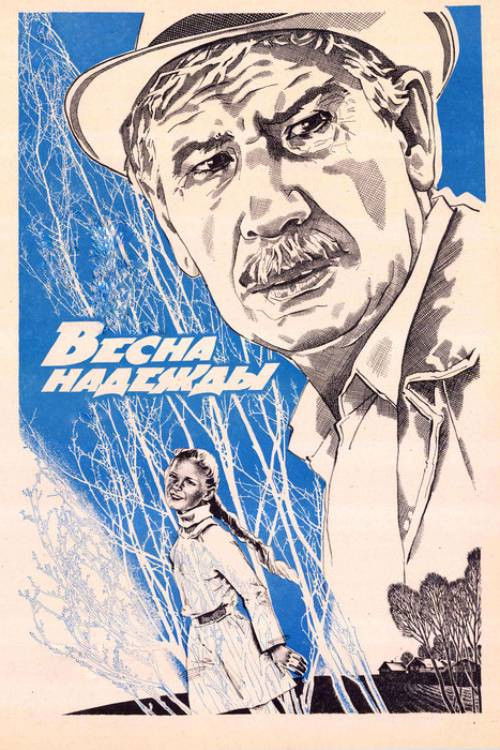
The Spring of Hope 1984
The Spring of Hope (1984) is a poignant Soviet romance that follows Zakhar Platonovich, a seasoned collective farm chairman and war veteran, as he faces mounting challenges during an uncertain spring season.
Director: Timur Zoloyev
Cast






Frequently Asked Questions
What is The Spring of Hope (1984) about?
The Spring of Hope follows Zakhar Platonovich, a collective farm chairman and former soldier, as he navigates personal health issues, agricultural challenges, and staff changes while relying on his village community for strength.
Who directed The Spring of Hope?
The film was directed by Timur Zoloyev, who brings authentic Soviet rural perspectives to this character-driven romance.
Who stars in The Spring of Hope?
The main cast includes Nikolay Mikheev, Zinaida Dekhtyaryova, Volodymyr Antonov, Mykola Oliinyk, and Elena Tonunts.
Is The Spring of Hope (1984) worth watching?
With its focus on human resilience and community bonds, this unrated romance offers genuine emotional depth. The film's themes of perseverance and rural life make it worthwhile for fans of character studies.
How long is The Spring of Hope?
The Spring of Hope has a runtime of 77 minutes.
The Spring of Hope: A Soviet Romance of Resilience — Full Movie Info
The Spring of Hope (1984) is a poignant Soviet romance that follows Zakhar Platonovich, a seasoned collective farm chairman and war veteran, as he faces mounting challenges during an uncertain spring season. When nature turns against the harvest, his health begins to fail, and his most trusted foreman is reassigned to a struggling farm, this resilient leader finds strength in his community rather than seeking sympathy from above. Directed by Timur Zoloyev, this 77-minute film captures the quiet dignity of rural Ukrainian life through the performances of Nikolay Mikheev, Zinaida Dekhtyaryova, and Volodymyr Antonov.
Set against the backdrop of agricultural uncertainty, The Spring of Hope explores themes of perseverance, community solidarity, and the transition from wartime heroism to peacetime leadership. The film's romantic elements weave through the personal struggles of its characters, creating an intimate portrait of Soviet rural life in the 1980s. With its blend of personal drama and social commentary, this unrated romance offers viewers a window into a specific time and place, where human connections become the foundation for overcoming adversity. The Spring of Hope (1984) remains a compelling character study that resonates beyond its historical setting.