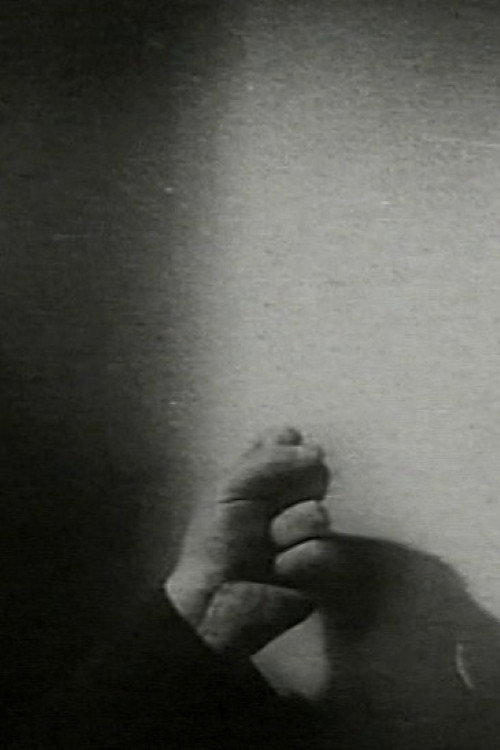
Run Hubbard Loop (Plagium 5) 1996
Run Hubbard Loop (Plagium 5) (1996) offers a hypnotic visual experiment by canecapovolto, weaving four subtly distinct fragments from Fritz Lang's classic espionage thriller *Spione* into a looping narrative that feels both familiar and disorienting.
Director: canecapovolto
Frequently Asked Questions
What is Run Hubbard Loop (Plagium 5) (1996) about?
This eleven-minute experimental short reinterprets Fritz Lang's *Spione* through four slightly altered sequences, creating a looping narrative that explores themes of surveillance and deception. The film blends Lang's iconic visual style with Ralph Rumney's text, offering a fresh and thought-provoking take on classic cinema.
Who directed Run Hubbard Loop (Plagium 5)?
Run Hubbard Loop (Plagium 5) was directed by canecapovolto, an artist known for experimental and avant-garde filmmaking.
Who stars in Run Hubbard Loop (Plagium 5)?
Cast details for Run Hubbard Loop (Plagium 5) are not publicly listed.
Is Run Hubbard Loop (Plagium 5) (1996) worth watching?
While Run Hubbard Loop (Plagium 5) is a niche film, it's a fascinating watch for those interested in experimental cinema and the reinterpretation of classic films. Its brief runtime and artistic approach make it accessible even for casual viewers, though it may not appeal to mainstream audiences looking for traditional storytelling.
How long is Run Hubbard Loop (Plagium 5)?
Run Hubbard Loop (Plagium 5) has a runtime of 11 minutes.
About Run Hubbard Loop (Plagium 5) (1996) — A hypnotic reimagining of Fritz Lang's *Spione*
Run Hubbard Loop (Plagium 5) (1996) offers a hypnotic visual experiment by canecapovolto, weaving four subtly distinct fragments from Fritz Lang's classic espionage thriller *Spione* into a looping narrative that feels both familiar and disorienting. This eleven-minute short film transforms Lang's 1928 masterpiece into a fragmented meditation on surveillance, secrecy, and the cyclical nature of deception, all set to a text by Ralph Rumney that adds an extra layer of intellectual intrigue. The minimalist approach strips away conventional storytelling, replacing it with a mood of eerie repetition and understated tension, making it a compelling watch for fans of avant-garde cinema and cinephiles drawn to artistic reinterpretation.
Though brief, the film's looping structure invites viewers to question what they're seeing—is it a homage, a critique, or something entirely new? The interplay of shadow and light, combined with the rhythmic editing, creates an atmosphere that lingers long after the credits roll. It's a testament to how classic cinema can be reimagined without losing its essence, offering a fresh perspective that feels both nostalgic and modern.