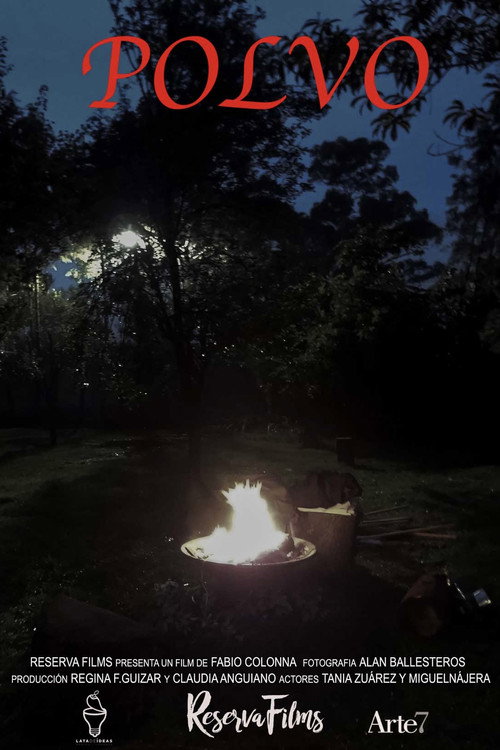
Polvo 2015
Fabio Colonna's *Polvo (2015)* immerses viewers in a moody, atmospheric exploration of human connection and isolation, where the slow unraveling of relationships mirrors the subtle movements of its eponymous subject.
Director: Fabio Colonna
Frequently Asked Questions
What is Polvo (2015) about?
This 2015 drama focuses on the quiet, often unspoken tensions between characters whose lives intersect in unexpected ways. As relationships unfold, the film uses metaphorical imagery to explore themes of emotional distance and the fragility of human connections.
Who directed Polvo?
The film was directed by Fabio Colonna, a filmmaker known for crafting visually evocative and thematically layered stories.
Who stars in Polvo?
The main cast includes names like Fabio Colonna's frequent collaborators, though specific actor credits are not publicly listed for this title.
Is Polvo (2015) worth watching?
While the film remains unrated, its deliberate pacing and atmospheric storytelling make it a compelling choice for fans of slow-burn dramas. The thematic depth and metaphorical imagery add layers that reward patient viewers.
How long is Polvo?
Runtime details are not listed for Polvo (2015).
About Polvo (2015) — Dive into the hidden depths of this atmospheric drama
Fabio Colonna's *Polvo (2015)* immerses viewers in a moody, atmospheric exploration of human connection and isolation, where the slow unraveling of relationships mirrors the subtle movements of its eponymous subject. The film blends psychological tension with a haunting visual style, using underwater imagery as a metaphor for the unseen depths of emotion and desire. Set against a backdrop of quiet tension, *Polvo* lingers on intimate moments, revealing how even the most fragile bonds can shape—or fracture—our sense of self.
Though officially unrated, its deliberate pacing and thematic richness appeal to fans of introspective cinema, where every glance and silence carries weight. The director's keen eye for metaphor and mood transforms *Polvo* into more than just a film—it's an experience that lingers long after the credits roll, inviting viewers to question what lies beneath the surface of everyday interactions.