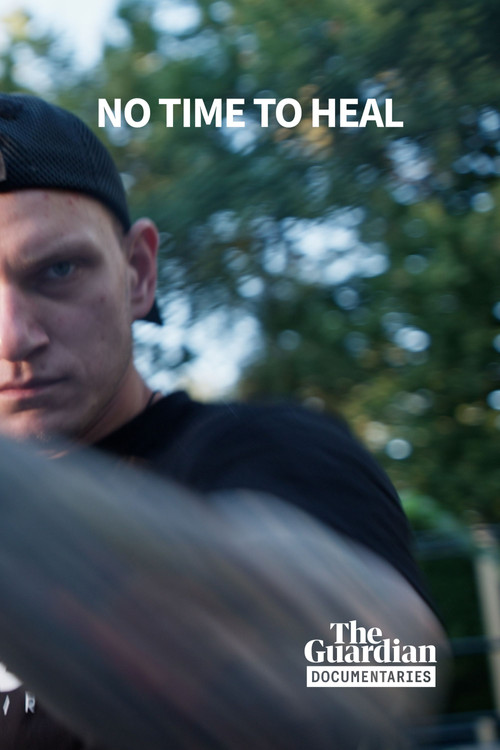
No Time To Heal 2026
"Three years in captivity. Three weeks to recover."
Directed by Ksenia Savoskina, *No Time To Heal* (2026) peers into the raw, unflinching reality of trauma and recovery with uncommon intimacy.
Director: Ksenia Savoskina
Cast
Frequently Asked Questions
What is No Time To Heal (2026) about?
This documentary follows Kyrylo Chuvak, a Ukrainian soldier recently released from three years of Russian captivity, as he seeks psychological footing at a short-term rehabilitation center. In just 21 days, he must stabilize his mind before facing an uncertain return to war, exposing the collision of hope and despair in his recovery journey.
Who directed No Time To Heal?
Ksenia Savoskina directs this intimate exploration of trauma and resilience.
Who stars in No Time To Heal?
The film centers on Kyrylo Chuvak, a Ukrainian soldier, with supporting perspectives from fellow veterans and therapists at the Forest Glade rehabilitation center.
Is No Time To Heal (2026) worth watching?
While IMDb is unrated, its documentary format and emotionally charged subject matter make it compelling viewing for those interested in real-life resilience stories. The brevity (15 minutes) and focus on psychological depth set it apart, though sensitivity to trauma themes is advised.
How long is No Time To Heal?
The film runs 15 minutes in length.
About No Time To Heal (2026) — A raw 15-minute dive into war trauma and fragile recovery
Directed by Ksenia Savoskina, *No Time To Heal* (2026) peers into the raw, unflinching reality of trauma and recovery with uncommon intimacy. The 15-minute documentary follows Kyrylo Chuvak, a Ukrainian soldier freed after three years in Russian captivity, as he navigates the daunting transition at the Forest Glade rehabilitation center. Just three weeks are allotted for psychological stabilization before the looming specter of war calls him back—making every moment at the center a fragile tightrope walk between stability and relapse.
The film strips away sensationalism to reveal the quiet, often overlooked process of healing. Through candid therapy sessions and unguarded reflections, Savoskina crafts a portrait of resilience that feels both deeply personal and universally resonant. The atmosphere is one of suspended tension—where progress is measured in small victories, and the line between recovery and collapse feels precariously thin.