Kibbutz Moshav Moshava - Kibbutz 1973
In *Kibbutz Moshav Moshava - Kibbutz (1973)*, director David Perlov invites viewers on a reflective journey into the heart of Israeli communal living.
Director: David Perlov
Cast
Frequently Asked Questions
What is Kibbutz Moshav Moshava - Kibbutz (1973) about?
This short documentary follows an anonymous protagonist sent to experience life on a kibbutz, Israel's iconic communal settlement. Through their eyes, the film documents the daily routines, social dynamics, and ideals of collective living, all while weaving in a subtle thread about a mysterious encounter along the way.
Who directed Kibbutz Moshav Moshava - Kibbutz?
The film was directed by David Perlov, a pioneering figure in Israeli cinema known for his observational style and deep engagement with social themes.
Who stars in Kibbutz Moshav Moshava - Kibbutz?
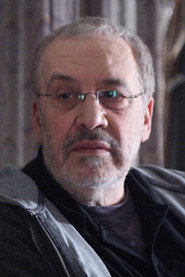
The cast includes Yossi Pollak in the lead role, with other residents and community members of the kibbutz contributing to the film's authentic portrayal.
Is Kibbutz Moshav Moshava - Kibbutz (1973) worth watching?
As a concise, 17-minute documentary, *Kibbutz Moshav Moshava - Kibbutz* offers a fascinating glimpse into Israeli communal life and Perlov's masterful storytelling. While not a mainstream hit, its historical and cultural insights make it a worthwhile watch for fans of documentary filmmaking and social history.
How long is Kibbutz Moshav Moshava - Kibbutz?
The film runs for 17 minutes.
About Kibbutz Moshav Moshava - Kibbutz (1973) — A Documentary Portrait of Israeli Communal Life
In *Kibbutz Moshav Moshava - Kibbutz (1973)*, director David Perlov invites viewers on a reflective journey into the heart of Israeli communal living. This short documentary follows an unnamed protagonist dispatched to a kibbutz—a collective settlement where shared resources and cooperative labor shape daily life. Through quiet observation and candid encounters, the film captures the rhythms of a community built on socialist ideals, contrasting urban anonymity with the warmth of rural togetherness. A mysterious stranger adds an intriguing layer to the narrative, hinting at personal connections amid the structured environment. Perlov's lens weaves intimacy and curiosity into a portrait of idealism tested by reality, all wrapped in the understated drama of everyday choices.
As one of three vignettes exploring different Israeli communities, this segment stands out for its immersive storytelling and subtle critique. The kibbutz here isn't just a backdrop but a living experiment in collective living, where the individual's journey mirrors broader questions about belonging, identity, and the cost of shared purpose. Shot in 1973, the film retains a timeless quality, offering a snapshot of an era while inviting modern audiences to ponder how such communities endure—or evolve—decades later.