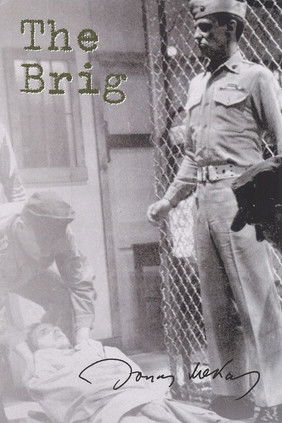
The Brig 1964
Shot in stark black-and-white, Jonas Mekas's *The Brig (1964)* transforms The Living Theatre's provocative stage play into a cinematic reckoning with military brutality. Set inside a U.S.
Director: Jonas Mekas
Cast

Frequently Asked Questions
What is The Brig (1964) about?
*The Brig* plunges viewers into the claustrophobic world of a 1957 U.S. Marine Corps jail in Japan. Over a single, grueling day, inmates face merciless drills, verbal abuse, and psychological torment designed to erase individuality.
Who directed The Brig?
Jonas Mekas, the Lithuanian-American filmmaker and poet, directed *The Brig* as a cinematic adaptation of The Living Theatre's groundbreaking stage production.
Who stars in The Brig?
The film features Warren Finnerty, Henry Howard, Tom Lilard, James Tiroff, and Steven Ben Israel as the prisoners navigating the brutal routine.
Is The Brig (1964) worth watching?
*The Brig* isn't for casual viewers, but it's a vital artifact of 1960s experimental cinema and political theater. Its unflinching gaze on military oppression and its 68-minute run time pack an outsized punch for those seeking challenging, thought-provoking filmmaking.
How long is The Brig?
The runtime of *The Brig* is 68 minutes.
About The Brig (1964) — Avant-Garde Prison Drama That Strips Away Military Gloss
Shot in stark black-and-white, Jonas Mekas's *The Brig (1964)* transforms The Living Theatre's provocative stage play into a cinematic reckoning with military brutality. Set inside a U.S. Marine Corps stockade in 1957 Japan, the film compresses a single brutal day into an unblinking meditation on dehumanization and institutional power. Through relentless drills, cold authority, and rhythmic humiliation, Mekas strips away glamour to expose the raw mechanics of control—where every command feels like a knife twist and every prisoner's dignity is a fleeting illusion.
Barely 68 minutes long, yet seething with intensity, *The Brig* bypasses spectacle to deliver raw, almost documentary-like immediacy. It's less a traditional drama than a sustained howl against the war machine's machinery, artfully blurring the line between performance and protest. Fans of avant-garde cinema and uncompromising social commentary will find here a quietly devastating experience that lingers like a bruise.