Kabarettfilm No. VI 1931
Dive into the vibrant pre-war Berlin entertainment scene with *Kabarettfilm No. VI* (1931), a dazzling 18-minute showcase of lighthearted music, song, and dance.
Director: Kurt Gerron
Cast
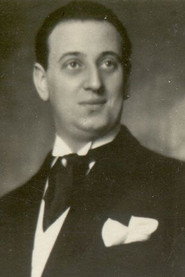
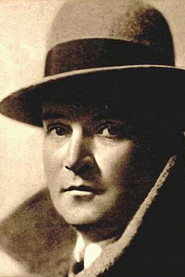
Frequently Asked Questions
What is Kabarettfilm No. VI (1931) about?
*Kabarettfilm No. VI* is a lively 18-minute revue featuring six light music, song, and dance acts by some of Germany's most celebrated pre-war entertainers. It's a snapshot of Weimar-era cabaret culture, blending comedy, performance, and star power into a fleeting but unforgettable spectacle.
Who directed Kabarettfilm No. VI?
The film was directed by Kurt Gerron, a prominent German filmmaker and actor known for his work in the vibrant cabaret and early sound film era.
Who stars in Kabarettfilm No. VI?
The cast includes Max Ehrlich, Mary Wigman, Eugenia Nikolajewa, Maria Ney, and Heidi Eisler, among other notable performers of the time.
Is Kabarettfilm No. VI (1931) worth watching?
With its infectious energy and historical significance, *Kabarettfilm No. VI* offers a rare glimpse into Germany's pre-war cultural golden age. While it's a short film, its charm and star-studded lineup make it a delightful watch for fans of early musical cinema and cabaret history.
How long is Kabarettfilm No. VI?
The runtime is 18 minutes.
About Kabarettfilm No. VI (1931) — The Unmissable Pre-WWII Cabaret Showcase
Dive into the vibrant pre-war Berlin entertainment scene with *Kabarettfilm No. VI* (1931), a dazzling 18-minute showcase of lighthearted music, song, and dance. Directed by Kurt Gerron, this short film captures the essence of Germany's golden age of cabaret, blending comedic wit with playful choreography. Starring legends like Max Ehrlich and Mary Wigman, it radiates the energy of a bygone era where performers like Eugenia Nikolajewa and Maria Ney captivated audiences with their charisma. The film's breezy, upbeat tone and variety-style format evoke nostalgia for an era when cabaret was the heartbeat of Berlin's nightlife.
Set against the backdrop of Weimar-era Germany, *Kabarettfilm No. VI* offers a snapshot of cultural brilliance before the shadows of war altered the landscape. With its snappy routines and spirited performances, it's a time capsule of joy, decadence, and artistic freedom. Though brief, the film's charm lingers, making it a must-see for fans of early musical cinema and pre-war German entertainment.