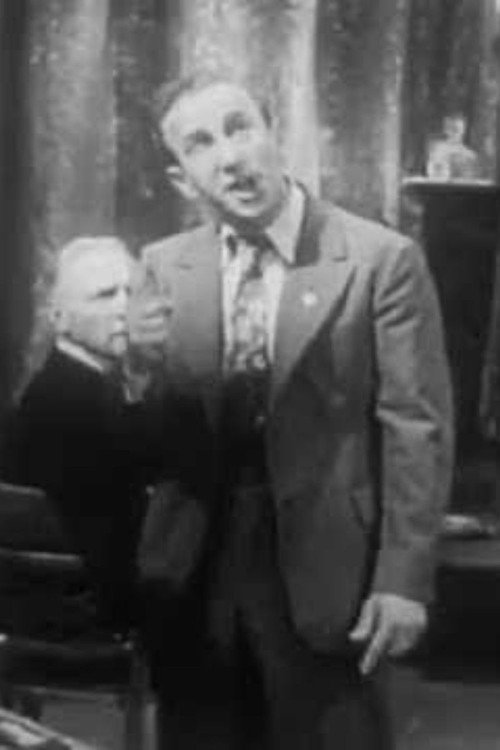
Give a Man a Job 1933
From the depths of the Great Depression emerges a fleeting but powerful glimpse into New Deal optimism with *Give a Man a Job (1933)*.
Cast


Frequently Asked Questions
What is *Give a Man a Job* (1933) about?
This brief comedy short urges employers to hire unemployed workers during the Great Depression, using humor and a direct appeal to economic recovery.
Who directed *Give a Man a Job*?
Director information is not available.
Who stars in *Give a Man a Job*?
The film features Jimmy Durante and Moe Howard in the lead roles, with their signature comedic styles on full display.
Is *Give a Man a Job* (1933) worth watching?
Though only three minutes long and unrated, this obscure short offers a fascinating glimpse into New Deal-era satire and early comedy. Fans of classic slapstick or Depression-era history may find it a curious, if fleeting, curiosity worth a quick watch.
How long is *Give a Man a Job*?
The runtime is three minutes.
About Give a Man a Job (1933) — Three-Minute Comedy Short with Jimmy Durante & Moe Howard
From the depths of the Great Depression emerges a fleeting but powerful glimpse into New Deal optimism with *Give a Man a Job (1933)*. This lightning-fast comedy short, directed by an unnamed filmmaker, joins forces with the National Recovery Administration to deliver a blunt, three-minute appeal to business owners: 'Hire now, prosper later.' Through rapid-fire gags and the irrepressible energy of Jimmy Durante, the film transforms a sober economic message into a lighthearted call for solidarity. The brash charm of Durante is met by the deadpan timing of Moe Howard, creating a brief but memorable slice of 1930s Americana that still resonates today.
Shot in black-and-white with brisk pacing, *Give a Man a Job* blends sharp social commentary with the anarchic spirit of early slapstick comedy. It captures the era's urgency and humor in one reel, offering viewers a snapshot of how entertainment once doubled as civic persuasion. Though short, its message lingers—reminding us that behind every job title, there's a human story waiting to be rewritten.