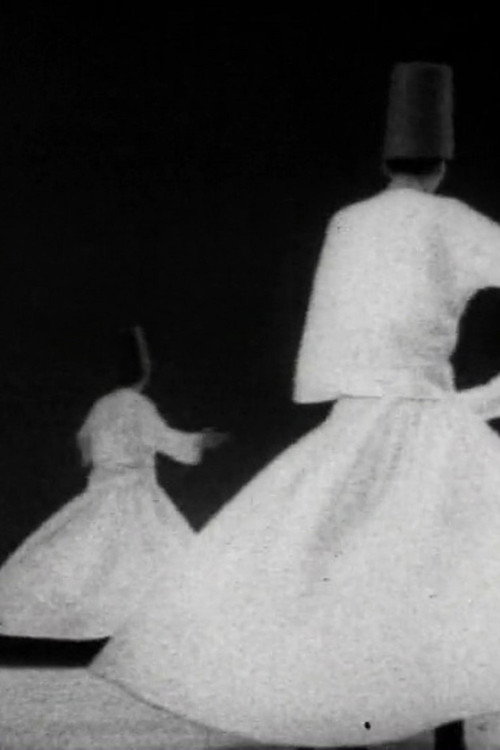
Mevlevi - Les Derviches tourneurs 1971
Mevlevi - Les Derviches tourneurs (1971) is a compelling documentary that delves into the mystical traditions of the Mevlevi order, renowned for their iconic whirling dance rituals.
Director: Pierre-Marie Goulet
Frequently Asked Questions
What is Mevlevi - Les Derviches tourneurs (1971) about?
The film explores the rituals and spiritual practices of the Mevlevi Sufi order, focusing on their famous whirling dances and the cultural significance behind this ancient tradition.
Who directed Mevlevi - Les Derviches tourneurs?
Director information is not available.
Who stars in Mevlevi - Les Derviches tourneurs?
The main cast details are currently unknown, but the documentary features real-life members of the Mevlevi order.
Is Mevlevi - Les Derviches tourneurs (1971) worth watching?
As a documentary on a unique cultural subject, it offers valuable insights into Sufi traditions and spiritual practices. Its artistic approach and historical context make it a worthwhile watch for documentary enthusiasts.
How long is Mevlevi - Les Derviches tourneurs?
Runtime details are not listed.
About Mevlevi - Les Derviches tourneurs (1971) — A Spiritual Documentary Exploration
Mevlevi - Les Derviches tourneurs (1971) is a compelling documentary that delves into the mystical traditions of the Mevlevi order, renowned for their iconic whirling dance rituals. Directed by Pierre-Marie Goulet, the film offers an immersive look at the spiritual practices and cultural heritage of these Sufi dervishes, capturing their meditative movements and profound connection to Islamic mysticism. Through intimate footage and atmospheric storytelling, the documentary explores themes of devotion, transcendence, and the intersection of art and faith in 20th-century Turkey.
This lesser-known gem provides a window into a centuries-old tradition, showcasing the hypnotic rhythms and symbolic gestures central to the Mevlevi ceremonies. While details about the cast remain unclear, the film itself serves as a powerful narrative, guided by Goulet's lens and the authentic voices of the dervishes. Its contemplative tone and rich visual storytelling make it a valuable resource for those interested in world religions, dance as ritual, and the preservation of cultural practices.