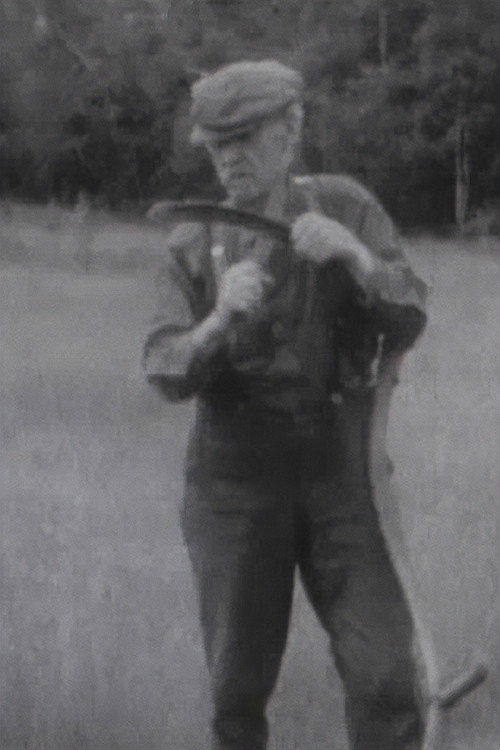
Rural Life in Maine 1930
Elizabeth Woodman Wright's *Rural Life in Maine* (1930) is a rare glimpse into the everyday rhythms of early 20th-century rural existence.
Director: Elizabeth Woodman Wright
Frequently Asked Questions
What is Rural Life in Maine (1930) about?
This short silent documentary chronicles a day in the life of rural Maine's farming families in the early 20th century. It showcases their daily labor, simple meals, and fleeting moments of rest, all against the backdrop of a community bound by hard work and tradition.
Who directed Rural Life in Maine?
Elizabeth Woodman Wright directed this 1930 silent film, bringing a personal and intimate perspective to her amateur documentary.
Who stars in Rural Life in Maine?
The cast consists of the rural farming families of Maine, whose real-life struggles and routines are captured on film.
Is Rural Life in Maine (1930) worth watching?
While it's a niche silent documentary, *Rural Life in Maine* offers a unique historical snapshot of early American rural life. Its authenticity and Wright's directorial eye make it a compelling watch for fans of early cinema and cultural history.
How long is Rural Life in Maine?
Rural Life in Maine runs for 12 minutes.
About Rural Life in Maine (1930) — A 12-Minute Silent Film Capturing Maine's Hardworking Soul
Elizabeth Woodman Wright's *Rural Life in Maine* (1930) is a rare glimpse into the everyday rhythms of early 20th-century rural existence. This 12-minute silent documentary captures the relentless pace of Maine's farming communities, from the sunrise raising of the American flag to the grueling work that fills their daylight hours. Wright's lens follows the hardworking individuals as they toil in the fields, offering a stark portrait of labor, resilience, and the hard-won simplicity of their lives. The film's quiet moments—shared meals, brief respite with an elder playing the fiddle—paint a picture of a world where rest is scarce and family is the heartbeat of survival.
While the original purpose of *Rural Life in Maine* remains open to interpretation, its historical value shines through the unfiltered lens of Wright's amateur cinematography. The film doesn't just document; it immerses viewers in the sensory world of rural Maine, from the sweat on tired brows to the comfort of a shared loaf of bread. Shot in stark black-and-white, it exudes a timeless authenticity, making it a fascinating time capsule for historians and film enthusiasts alike.