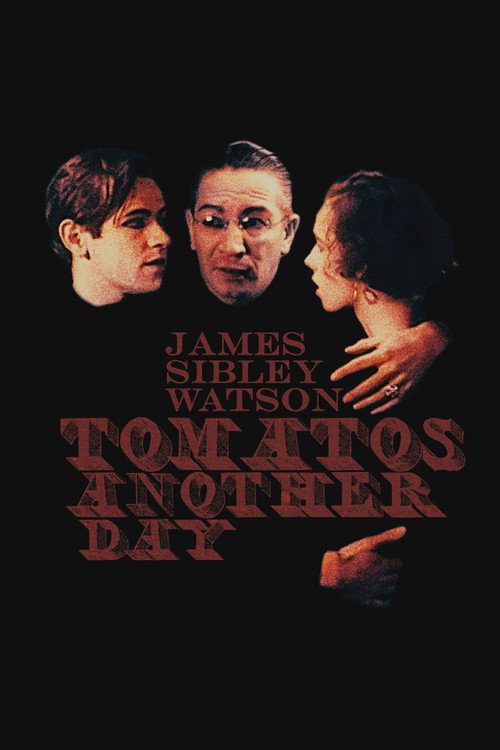
Tomatos Another Day 1934
James Sibley Watson's *Tomatos Another Day* (1934) is a daring experiment in early sound cinema, blending avant-garde dadaist aesthetics with a stark, minimalist approach.
Director: James Sibley Watson
Cast
Frequently Asked Questions
What is Tomatos Another Day (1934) about?
This avant-garde short unfolds as a stylized love triangle set in a claustrophobic environment, where emotion is conveyed through minimalist performances and surreal visuals rather than dialogue. Watson's film eschews traditional storytelling, instead creating an atmosphere of tension and ambiguity.
Who directed Tomatos Another Day?
James Sibley Watson directed *Tomatos Another Day*. A pioneer of experimental cinema, Watson often explored unconventional narratives and visual styles in his work.
Who stars in Tomatos Another Day?
The film stars Jack Lee, Frances Alexander Miller, and a small ensemble cast, though the performances are largely expressionless and stylized.
Is Tomatos Another Day (1934) worth watching?
While *Tomatos Another Day* may not appeal to mainstream audiences, fans of avant-garde cinema and early sound-era films will find its minimalist approach and dadaist aesthetics intriguing. Its historical significance and bold experimentation make it a niche but rewarding watch.
How long is Tomatos Another Day?
The runtime is approximately 7 minutes.
About Tomatos Another Day (1934) — A Daring Avant-Garde Short Film from the Early Sound Era
James Sibley Watson's *Tomatos Another Day* (1934) is a daring experiment in early sound cinema, blending avant-garde dadaist aesthetics with a stark, minimalist approach. The film unfolds in a claustrophobic setting, where emotion is stripped down to its bare essence, creating an atmosphere of quiet intensity. Watson's deliberate choice to avoid overt expression in the acting lends the movie a hypnotic, almost surreal quality, as a love triangle plays out in a confined space. Though Watson himself dismissed it as a failure, the film's modernist sensibilities and unconventional storytelling make it a fascinating artifact of its time. A curious blend of drama and comedy, it challenges viewers to look beyond the surface, offering a glimpse into the radical possibilities of early filmmaking.
With its virtually dialogue-free scenes and expressionist visuals, *Tomatos Another Day* stands as a unique entry in the cinematic avant-garde. The film's eccentric charm lies in its refusal to conform, embracing ambiguity and minimalism to craft a mood that lingers long after the credits roll. Whether you're drawn to its historical significance or its bold aesthetic choices, this seven-minute short is a must-see for fans of experimental cinema and early sound-era filmmaking.