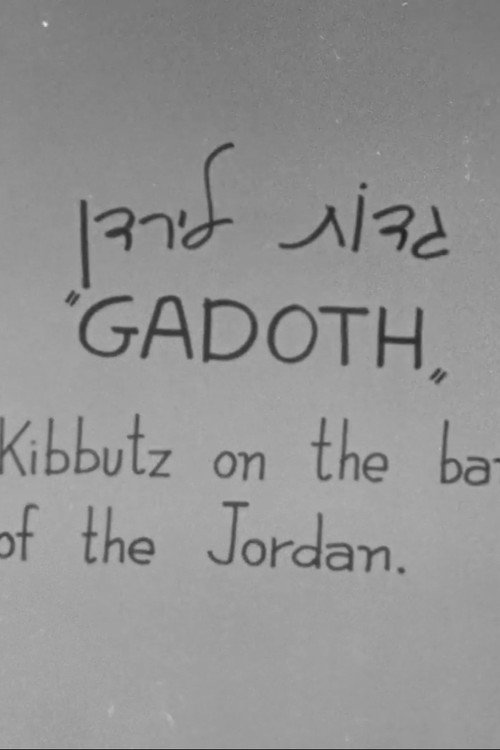
Gadot: Kibbutz on the Banks of Jordan 1965
Discover the resilient spirit of a community clinging to the banks of the Jordan River in *Gadot: Kibbutz on the Banks of Jordan (1965)*, a striking 12-minute documentary directed by Gidon Ucko.
Director: Gidon Ucko
Frequently Asked Questions
What is Gadot: Kibbutz on the Banks of Jordan (1965) about?
This short documentary offers a rare look at Gadot, a kibbutz precariously positioned along the Jordan River, where residents balance daily life with the constant threat of Syrian bombings. The film contrasts the community's serene routines—children playing, youth dancing, and farmwork continuing—with the underlying tension of their surroundings.
Who directed Gadot: Kibbutz on the Banks of Jordan?
Gidon Ucko directed this 1965 documentary, capturing the kibbutz's dual reality with a keen, observant eye.
Who stars in Gadot: Kibbutz on the Banks of Jordan?
Director information is not available, and the cast list for this short documentary is uncredited.
Is Gadot: Kibbutz on the Banks of Jordan (1965) worth watching?
With its stark honesty and compelling subject matter, this 12-minute documentary is a fascinating watch for fans of historical films and documentaries. While it lacks a rating, its themes of resilience and community in adversity make it a poignant viewing experience.
How long is Gadot: Kibbutz on the Banks of Jordan?
The runtime for *Gadot: Kibbutz on the Banks of Jordan (1965)* is 12 minutes.
About Gadot: Kibbutz on the Banks of Jordan (1965) — A 12-minute documentary on resilience beyond conflict
Discover the resilient spirit of a community clinging to the banks of the Jordan River in *Gadot: Kibbutz on the Banks of Jordan (1965)*, a striking 12-minute documentary directed by Gidon Ucko. This intimate portrait captures the daily life of Gadot, a small kibbutz where the pastoral beauty of the landscape hides an ever-present tension. Amidst the Syrian army's occasional bombings, the film reveals a community refusing to surrender to fear—children play freely, young dancers perform with carefree energy, and farmers tend to orchards and fields with quiet determination. Ucko's lens doesn't shy away from the harsh realities but instead highlights the unyielding hope and camaraderie that define this unique settlement.
The atmosphere is one of contrasting tones: the tranquil riverbanks juxtaposed with the looming threat of conflict, creating a poignant snapshot of life in a precarious time. The documentary offers viewers a raw, unfiltered glimpse into the kibbutz's existence, blending everyday routines with the stark reminders of war. For those interested in historical films or thought-provoking documentaries, *Gadot: Kibbutz on the Banks of Jordan (1965)* stands as both a testament to resilience and a fascinating time capsule of early Israeli life.