Suicide Attack 1951
Discover *Suicide Attack (1951)*, a stark documentary directed by Irving Lerner that stitches together raw Japanese newsreels and wartime propaganda.
Director: Irving Lerner
Cast

Frequently Asked Questions
What is Suicide Attack (1951) about?
*Suicide Attack (1951)* is a wartime documentary assembled from Japanese propaganda films and newsreels created during World War II. The film was intended to bolster morale on the home front by portraying the era's extreme sacrifices and patriotic fervor.
Who directed Suicide Attack?
The film was directed by Irving Lerner, a filmmaker whose work often explored social and political themes during the mid-20th century.
Who stars in Suicide Attack?
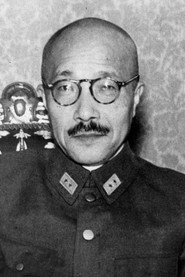
The documentary features Paul Dubov and Hideki Tojo among its credited participants, though its focus remains on archival footage rather than traditional performances.
Is Suicide Attack (1951) worth watching?
While *Suicide Attack (1951)* isn't a conventional film, it offers a fascinating glimpse into wartime propaganda and historical documentation. Its short runtime and raw material make it a compelling watch for history and documentary enthusiasts, though its tone is unmistakably heavy.
How long is Suicide Attack?
*Suicide Attack (1951)* runs for 64 minutes, offering a concise yet intense viewing experience.
About Suicide Attack (1951) — A WWII Documentary Stitched from Propaganda and Newsreels
Discover *Suicide Attack (1951)*, a stark documentary directed by Irving Lerner that stitches together raw Japanese newsreels and wartime propaganda. This 64-minute film was crafted in the shadows of World War II, designed to stoke the embers of home-front resilience during one of history's darkest chapters. Blending visceral footage with unflinching realism, it immerses viewers in the era's charged atmosphere, where patriotism and sacrifice collided with the brutal machinery of war. Lerner's uncredited work layers archival fragments into a haunting mosaic, capturing the era's unshakable tension and the moral weight of its choices.
While not a conventional narrative, *Suicide Attack (1951)* stands as a time capsule of wartime propaganda's power and peril. With its unfiltered lens on conflict, the film serves as both a historical artifact and a stark reminder of how cinema once shaped public sentiment in the crucible of war. Its brevity belies its impact, offering a window into the past that's as unsettling as it is informative.