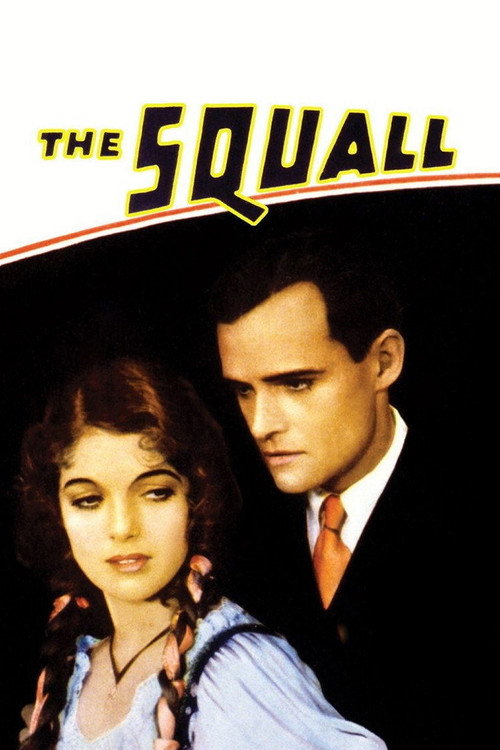
The Squall 1929
"Nubi-- gypsy gale of passion.... an ill-wind that blows no man good. (Poster)"
Directed by Alexander Korda, *The Squall (1929)* is a dramatic exploration of passion and disruption set against the backdrop of a conservative farmstead.
Director: Alexander Korda
Cast
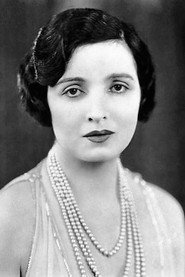
Alice Joyce
Maria
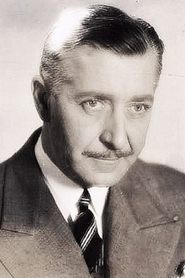
Richard Tucker
Josef
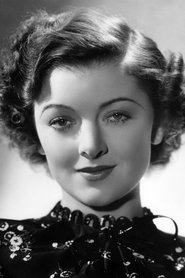
Myrna Loy
Nubi
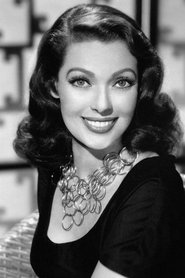
Loretta Young
Irma
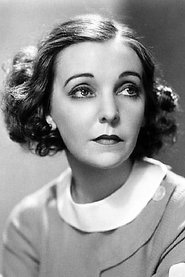
Zasu Pitts
Lena
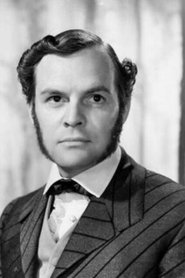
Carroll Nye
Paul
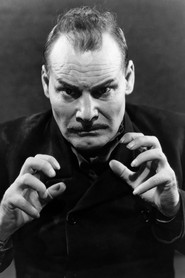
Harry Cording
Peter
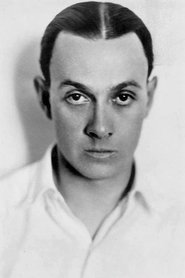
George Hackathorne
Niki
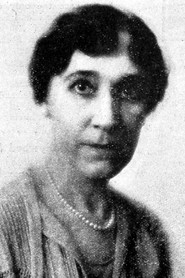
Marcia Harris
Aunt Anna
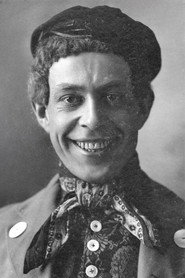
Knute Erickson
Uncle Dani
Frequently Asked Questions
What is *The Squall (1929)* about?
*The Squall* follows a seductive and manipulative gypsy woman whose arrival on a tranquil farm shatters the lives of a conservative family. Her presence ignites hidden desires, leading to emotional turmoil and unforeseen consequences that force the family to confront their own flaws.
Who directed *The Squall*?
Alexander Korda directed *The Squall*, bringing his signature style to this early silent drama.
Who stars in *The Squall*?
The film features Alice Joyce, Richard Tucker, Myrna Loy, Loretta Young, and Zasu Pitts in key roles.
Is *The Squall (1929)* worth watching?
As an early silent drama, *The Squall* offers a glimpse into 1920s storytelling with strong performances and thematic depth. While it may not match modern blockbusters, its dramatic intensity and historical significance make it a fascinating watch for silent film enthusiasts.
How long is *The Squall*?
*The Squall* runs for 102 minutes, delivering a compact yet impactful narrative.
About The Squall (1929) — A Silent Drama of Passion and Family Turmoil
Directed by Alexander Korda, *The Squall (1929)* is a dramatic exploration of passion and disruption set against the backdrop of a conservative farmstead. The story unfolds when a fiery and enigmatic gypsy woman enters the lives of this tightly-knit family, stirring up emotions and challenging long-held traditions. With a blend of raw energy and calculated charm, she sows discord and forces the family to confront their own vulnerabilities. The film captures a charged atmosphere where love and resentment intertwine, leaving no one untouched by the chaos she brings.
Korda's direction infuses the silent drama with a timeless intensity, while a talented cast including Alice Joyce and Myrna Loy brings depth to their roles. The themes of temptation, loyalty, and societal expectations are woven into a narrative that feels as relevant today as it must have in 1929. The moody visuals and emotional depth create a viewing experience that lingers long after the final scene.