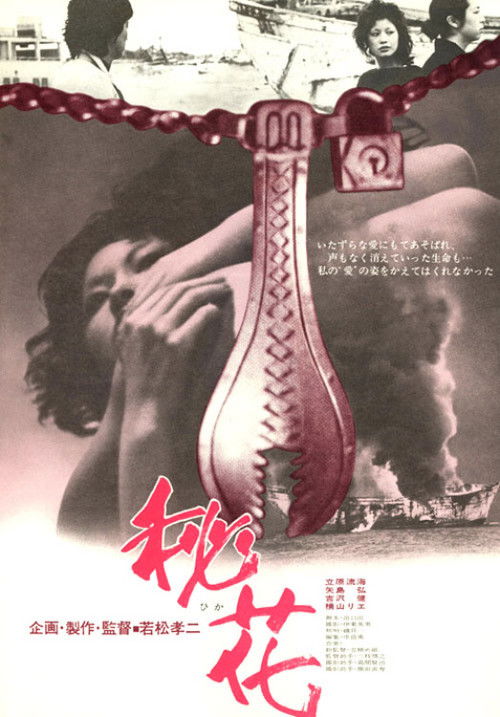
Secret Flower 1971
In Kōji Wakamatsu's stark 1971 drama *Secret Flower*, three fractured souls converge on a desolate beach after life-altering moments of despair and departure.
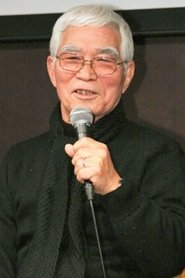
Director: Kōji Wakamatsu
Cast
Frequently Asked Questions
What is Secret Flower (1971) about?
This 1971 Japanese drama follows a woman who survives a suicide attempt as she crosses paths with a couple abandoning their political activism. Their chance encounter on a beach becomes a quiet study of resilience and unspoken bonds, set against the backdrop of post-movement disillusionment.
Who directed Secret Flower?
Kōji Wakamatsu directed *Secret Flower*, a filmmaker known for his provocative social critiques and intimate character studies in 1970s Japanese cinema.
Who stars in Secret Flower?
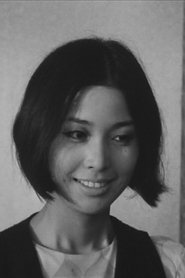
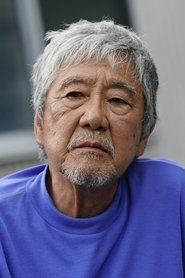
The film features Masao Adachi, Ken Masaki, Hiroshi Yajima, Rie Yokoyama, and Ken Yoshizawa as the core characters navigating moments of crisis.
Is Secret Flower (1971) worth watching?
*Secret Flower* may not be for everyone, but its concise runtime and atmospheric storytelling offer a glimpse into the raw emotional landscapes of 1970s counterculture. With no IMDb rating to go by, it stands as a niche gem for fans of introspective, character-driven dramas.
How long is Secret Flower?
The film has a runtime of 70 minutes.
About Secret Flower (1971) — A raw beachside drama of survival and second chances
In Kōji Wakamatsu's stark 1971 drama *Secret Flower*, three fractured souls converge on a desolate beach after life-altering moments of despair and departure. A woman who narrowly escapes a suicide attempt finds herself tangled in a chance meeting with a disillusioned couple who've walked away from their political convictions. Wakamatsu crafts a raw, introspective mood where the crashing waves mirror the emotional turbulence of characters stripped of purpose, searching for meaning in the wreckage of their ideals. The film's minimalist dialogue and stark visuals amplify its themes of isolation, redemption, and the quiet resilience of the human spirit.
Grounded in the director's signature social commentary, *Secret Flower* (1971) lingers as a haunting reflection on fleeting connections and the fragility of hope. With its concise 70-minute runtime, the movie eschews grand gestures for intimate, dialogue-driven scenes that reveal the depth of its characters' inner struggles. A moody, atmospheric portrait of post-movement disenchantment, it offers viewers a contemplative escape into Japan's cinematic counterculture of the era.