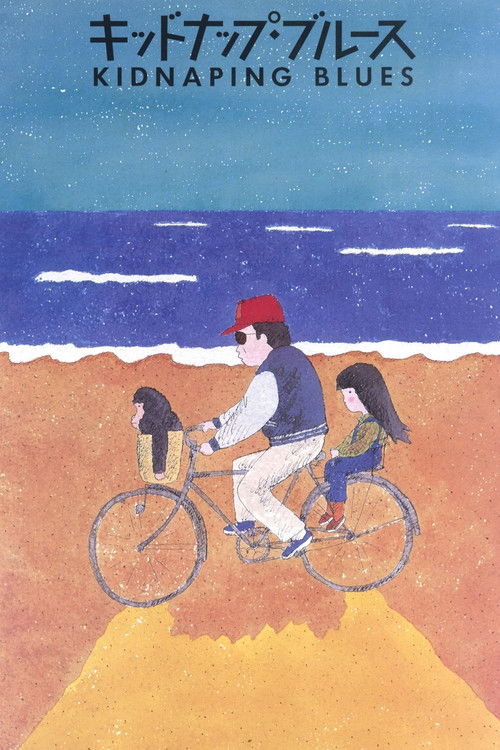
Kidnapping Blues 1982
In Shinpei Asai's 1982 drama *Kidnapping Blues*, a chance encounter in a Tokyo bicycle parking lot sparks an unexpected journey between a weary man and a young girl who dreams of seeing the ocean.
Director: Shinpei Asai
Cast








Frequently Asked Questions
What is Kidnapping Blues (1982) about?
A man and a young girl embark on an unplanned journey after meeting in a Tokyo bicycle lot, seeking escape from forces beyond their control. Their brief odyssey becomes a poignant reflection on trust, survival, and the quiet moments that define human connection.
Who directed Kidnapping Blues?
Shinpei Asai directed this atmospheric 1982 drama, known for his sensitive handling of intimate, character-driven narratives.
Who stars in Kidnapping Blues?
The film features Tamori, Mai Yamato, Yumiko Fujita, Jūzō Itami, and Takuzō Kawatani in key roles.
Is Kidnapping Blues (1982) worth watching?
While it lacks an IMDb rating, *Kidnapping Blues* offers a thoughtful, atmospheric take on crime and drama. Its restrained tone and emotional depth make it compelling for fans of understated, character-driven cinema.
How long is Kidnapping Blues?
The film runs for 94 minutes.
🎥 Trailer
About Kidnapping Blues (1982) — A journey of fleeting escape and human connection in 1980s Tokyo
In Shinpei Asai's 1982 drama *Kidnapping Blues*, a chance encounter in a Tokyo bicycle parking lot sparks an unexpected journey between a weary man and a young girl who dreams of seeing the ocean. What begins as a reluctant act of deception unfolds into a poignant exploration of innocence, desperation, and human connection. As they flee from unseen pursuers, their fleeting escape becomes a bittersweet odyssey, punctuated by chance encounters with strangers who leave equally fleeting but meaningful impressions. With its melancholic tone and understated storytelling, the film captures the fragility of trust and the weight of choices made under pressure.
*Kidnapping Blues (1982)* stands out for its delicate balance between tension and tenderness, driven by Asai's sensitive direction and a cast that grounds the narrative in raw authenticity. The story's themes of isolation and longing resonate deeply, offering a reflective meditation on fleeting moments of escape and the quiet resilience of the human spirit. The film's intimate atmosphere lingers long after the final frame, leaving viewers with more questions than answers about the boundaries of morality and the meaning of freedom.