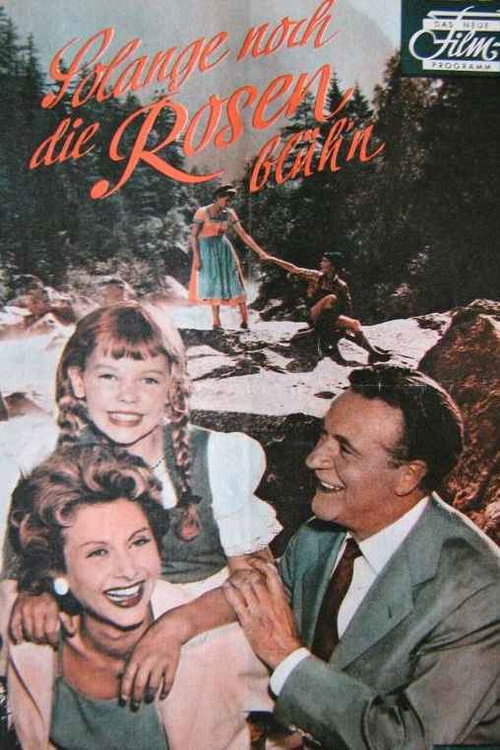
Solange noch die Rosen blüh'n 1956
Solange noch die Rosen blüh'n (1956) is a tender German Heimatfilm that captures the nostalgic charm of rural life through a romantic drama lens. Directed by Hans Deppe, this 106-minute feature weaves together love, tradition, and the enduring beauty of homeland.
Director: Hans Deppe
Cast





Frequently Asked Questions
What is Solange noch die Rosen blüh'n (1956) about?
This German Heimatfilm tells a romantic story set in rural Austria, exploring themes of love, tradition, and the changing seasons. The narrative follows emotional journeys against the backdrop of picturesque countryside life, typical of the beloved Heimatfilm genre.
Who directed Solange noch die Rosen blüh'n?
The film was directed by Hans Deppe, a respected filmmaker known for his work in German cinema during the mid-20th century.
Who stars in Solange noch die Rosen blüh'n?
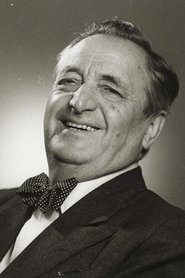
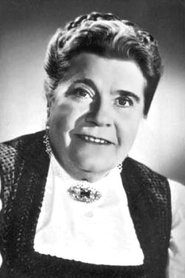
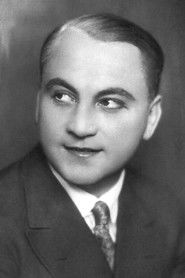
The film features Hertha Feiler, Gerhard Riedmann, Eva Probst, Willy Fritsch, Hans Moser, and Annie Rosar in leading roles.
Is Solange noch die Rosen blüh'n (1956) worth watching?
As a representative of the Heimatfilm genre, this 1956 romance-drama offers nostalgic value and cultural insight into post-war German cinema. While unrated on IMDb, its ensemble cast and traditional storytelling appeal to fans of classic European films.
How long is Solange noch die Rosen blüh'n?
The film has a runtime of 106 minutes.
Solange noch die Rosen blüh'n (1956) — A Classic German Romance Drama
Solange noch die Rosen blüh'n (1956) is a tender German Heimatfilm that captures the nostalgic charm of rural life through a romantic drama lens. Directed by Hans Deppe, this 106-minute feature weaves together love, tradition, and the enduring beauty of homeland. The film stars Hertha Feiler and Gerhard Riedmann alongside beloved actors Willy Fritsch, Hans Moser, and Annie Rosar, creating a distinguished ensemble that brings authentic emotion to the story.
Set against the picturesque backdrop of the Austrian countryside, Solange noch die Rosen blüh'n explores themes of love enduring through seasons of change, the strength of community bonds, and the bittersweet passage of time. This classic romance-drama exemplifies the Heimatfilm tradition, offering viewers an immersive journey into a simpler era where relationships and family ties take center stage. The film's gentle narrative and memorable performances make it a noteworthy entry in 1950s German cinema.