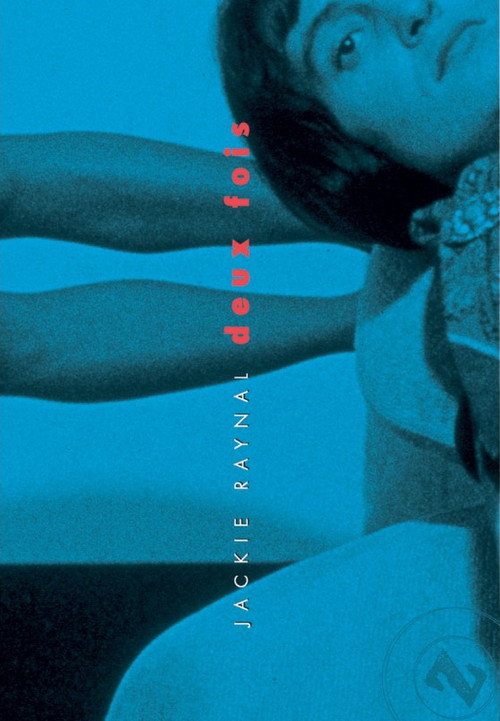
Deux fois 1968
Jackie Raynal's *Deux fois (1968)* is a bold, experimental foray into cinema that dismantles traditional storytelling with precision.
Director: Jackie Raynal
Cast
Frequently Asked Questions
What is *Deux fois (1968)* about?
Jackie Raynal's *Deux fois* is a fragmented exploration of identity and perception, using repetitive actions and dialogue to challenge conventional storytelling. The film blends diary-like intimacy with avant-garde techniques, questioning how women are portrayed—and perceived—on screen. Think of it as a cinematic hall of mirrors, where meaning emerges from the act of watching itself.
Who directed *Deux fois*?
Jackie Raynal directed *Deux fois*, crafting a film that merges her personal artistic vision with a critique of cinematic norms.
Who stars in *Deux fois*?
The cast includes Francisco Viader, Oscar, and director Jackie Raynal herself, who anchors the film's experimental vignettes.
Is *Deux fois (1968)* worth watching?
*Deux fois* is a niche but fascinating watch for fans of avant-garde cinema and feminist film theory. Its unrated status on IMDb reflects its cult appeal rather than its quality—this is a film about dismantling expectations, not conforming to them. If you crave bold, thought-provoking cinema over mainstream entertainment, it's a must-see.
How long is *Deux fois*?
The runtime of *Deux fois* is 65 minutes, a concise yet dense experience that packs a punch.
About Deux fois (1968) — Jackie Raynal's Radical Experiment in Cinematic Deconstruction
Jackie Raynal's *Deux fois (1968)* is a bold, experimental foray into cinema that dismantles traditional storytelling with precision. This radical diary film stitches together fragmented, minimalist vignettes, often starring the director herself, where repeated gestures and dialogue create hypnotic loops rather than linear narratives. Far from mere avant-garde posturing, *Deux fois* interrogates the conventions of cinematic meaning and the clichéd portrayal of women in film, leaving viewers to question the very language of movies. Shot in stark black-and-white, the atmosphere oscillates between introspective and provocative, challenging audiences to engage with its elusive, self-aware structure.
Emerging from the vibrant experimental scene of 1960s France, *Deux fois* is less a film to "watch" than to experience—a cerebral puzzle that dissolves the boundaries between artist and subject. Raynal's deliberate repetition isn't just stylistic; it's a manifesto against passive consumption, inviting viewers to confront their expectations of narrative, performance, and gender. Despite its brevity, the film lingers like a half-remembered dream, its minimalism belying a rich tapestry of subversive ideas.