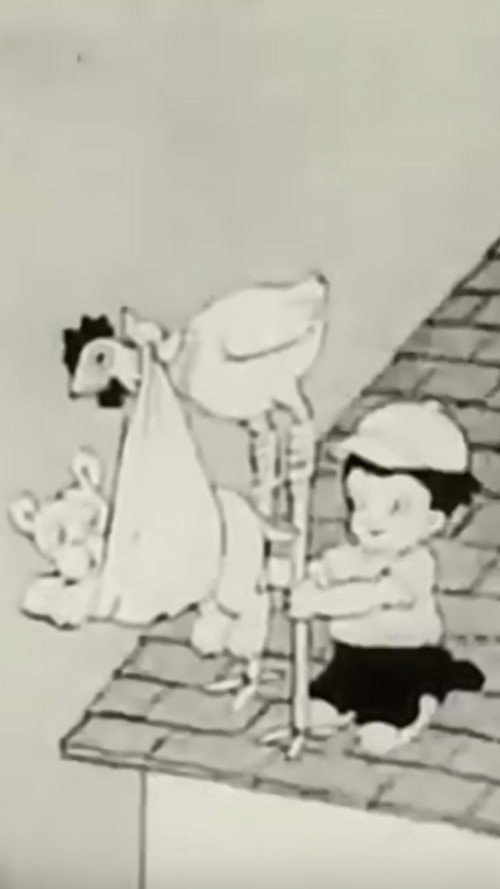
Bobby Bumps and the Stork 1916
Dive into the charming world of early animation with Bobby Bumps and the Stork (1916), a delightful silent short that showcases the creativity of pioneer Earl Hurd.
Director: Earl Hurd
Frequently Asked Questions
What is Bobby Bumps and the Stork (1916) about?
The film follows the playful antics of Bobby Bumps, a mischievous cartoon child, as he interacts with a human hand—likely representing the animator—while a stork plays a pivotal role in the story. It's a surreal and humorous exploration of early animation's possibilities, blending fantasy with the everyday.
Who directed Bobby Bumps and the Stork?
The film was directed by Earl Hurd, a pioneer in animation whose innovative techniques helped shape the medium during its formative years.
Who stars in Bobby Bumps and the Stork?
The cast includes Bobby Bumps and a stork, though specific actor names are not listed for the animated characters.
Is Bobby Bumps and the Stork (1916) worth watching?
As a silent animated short from 1916, Bobby Bumps and the Stork offers a fascinating glimpse into the early days of cartoons. While it may lack the polish of later works, its historical significance and charming simplicity make it a curiosity worth exploring for animation fans.
How long is Bobby Bumps and the Stork?
The runtime of Bobby Bumps and the Stork is 6 minutes.
🎥 Trailer
About Bobby Bumps and the Stork (1916) — A Whimsical Silent Cartoon Classic
Dive into the charming world of early animation with Bobby Bumps and the Stork (1916), a delightful silent short that showcases the creativity of pioneer Earl Hurd. This six-minute cartoon captures the whimsical spirit of its era, blending playful interactions between a mischievous cartoon child and the whims of fate—literally embodied by a stork. Like the iconic works of Max Fleischer, the film plays with the surreal magic of animation, where a human hand animates a universe of lively, cartoonish mischief. The black-and-white visuals and exaggerated expressions transport viewers to a time when animation was still finding its voice, offering a glimpse into the playful experimentation of 1910s filmmaking.
Bobby Bumps and the Stork (1916) stands as a fascinating artifact of silent cinema, where the boundaries between reality and animation blur in the most entertaining ways. The film's lighthearted tone and innovative techniques make it a must-watch for animation enthusiasts and history buffs alike, celebrating the early days of a genre that would later define modern storytelling.