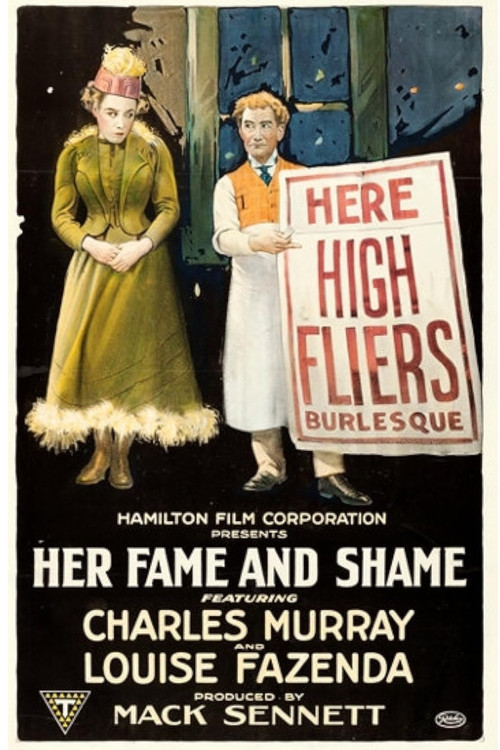
Her Fame and Shame 1917
Step back into the golden age of silent cinema with Her Fame and Shame (1917), a classic slapstick comedy that showcases the timeless appeal of physical humor.
Director: Frank Griffin
Cast



Frequently Asked Questions
What is Her Fame and Shame (1917) about?
This silent slapstick comedy follows the misadventures of its protagonists as they navigate situations involving fame and public embarrassment. The film relies on physical comedy and visual gags typical of early 20th century cinema.
Who directed Her Fame and Shame?
The film was directed by Frank Griffin, a filmmaker working during the silent era who specialized in comedy productions.
Who stars in Her Fame and Shame?
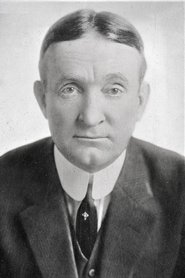
The main cast includes Charles Murray, Louise Fazenda, Harry Booker, Sylvia Ashton, and Frank Opperman.
Is Her Fame and Shame (1917) worth watching?
As an unrated silent comedy from 1917, it offers historical value for film enthusiasts interested in early American cinema and slapstick traditions, though modern audiences may find the pacing challenging.
How long is Her Fame and Shame?
The film has a runtime of 25 minutes.
Her Fame and Shame (1917) — Classic Silent Comedy with Slapstick Legends
Step back into the golden age of silent cinema with Her Fame and Shame (1917), a classic slapstick comedy that showcases the timeless appeal of physical humor. Directed by Frank Griffin, this 25-minute gem features the dynamic duo of Charles Murray and Louise Fazenda, whose comedic chemistry drives the film's lighthearted misadventures. Set against the backdrop of early 20th century America, the film captures the essence of vaudeville-style entertainment that defined the era's comedy.
The short runtime makes Her Fame and Shame an accessible glimpse into 1910s filmmaking, where visual gags and exaggerated expressions told stories without dialogue. Griffin's direction emphasizes the theatrical roots of cinema, creating a charming piece of film history. For enthusiasts of silent film comedy, this movie represents a fascinating window into the evolution of American humor and the careers of pioneering comedic actors.
While unrated on IMDb, the film's historical significance as a comedy from 1917 makes it worth exploring for those interested in the foundations of American cinema and slapstick traditions.