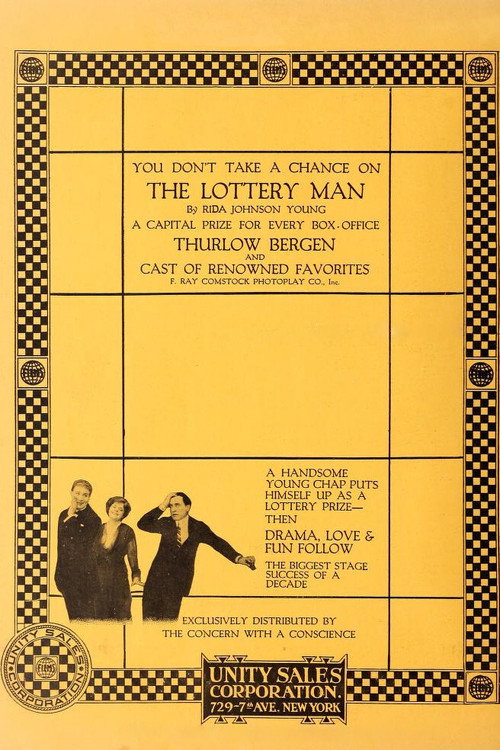
The Lottery Man 1916
Step right up to the hilarious world of *The Lottery Man (1916)*, a silent-era comedy that blends wit, romance, and a dash of absurdity.
Director: Leopold Wharton
Cast
Frequently Asked Questions
What is The Lottery Man (1916) about?
The film centers on a young man who turns himself into the grand prize of a marriage lottery, only to discover his heart has strayed toward someone unexpected. It's a lighthearted tale of love, luck, and the unpredictability of romance.
Who directed The Lottery Man?
Leopold Wharton directed *The Lottery Man*. Known for his work in early silent films, Wharton brought a playful touch to this comedic story.
Who stars in The Lottery Man?
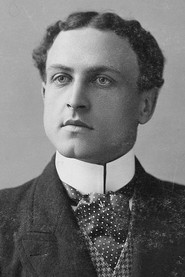
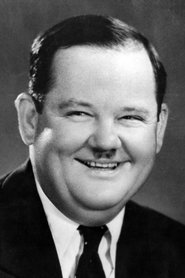
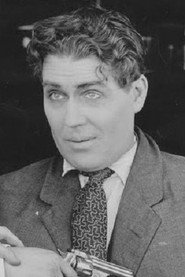
The main cast includes Thurlow Bergen, Elsie Esmond, Oliver Hardy, Allan Murnane, and Lottie Alter.
Is The Lottery Man (1916) worth watching?
While it's a silent-era comedy with a simple premise, *The Lottery Man* holds up well for its charm and historical value. Oliver Hardy's early role adds a fun curiosity, though modern viewers should temper expectations for slapstick intensity.
How long is The Lottery Man?
The runtime is 50 minutes.
About The Lottery Man (1916) — When a Marriage Lottery Backfires
Step right up to the hilarious world of *The Lottery Man (1916)*, a silent-era comedy that blends wit, romance, and a dash of absurdity. Directed by Leopold Wharton, this 50-minute gem follows a charming bachelor who turns himself into the ultimate prize in a marriage lottery—only to realize his heart belongs to someone else. With Thurlow Bergen leading the cast as the lovable yet luckless protagonist, the film balances lighthearted fun with a touch of satire about fate and human desires. Wharton's direction keeps the energy high, while the understated performances—including a young Oliver Hardy in a supporting role—add layers of charm. The story's playful premise and breezy tone make it a delightful relic of early cinema.
Set against the backdrop of early 20th-century America, *The Lottery Man (1916)* explores themes of chance, romance, and self-discovery with a wink to the audience. The film's comedic beats are cleverly timed, and its straightforward narrative lingers more for its clever gag than any convoluted plot. Perfect for fans of silent-era comedies and anyone curious about the golden age of film, it's a snapshot of a time when cinema was finding its voice—and its humor.