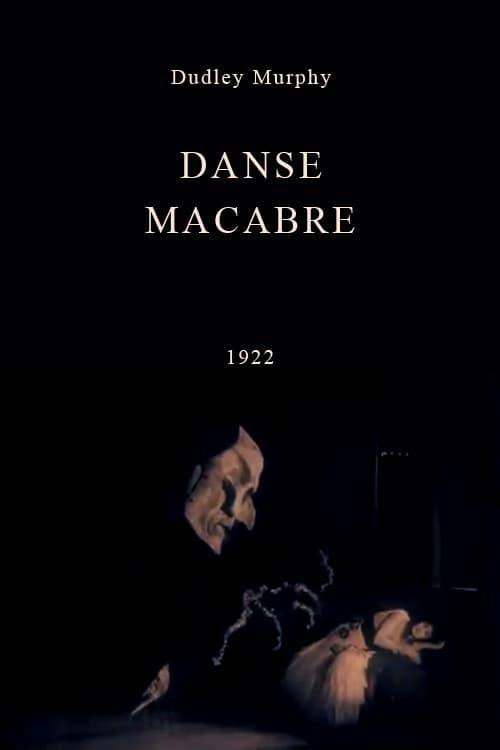
Danse macabre 1922
Dudley Murphy's groundbreaking 1922 silent short *Danse macabre* weaves a haunting ballet of life, love, and mortality against the grim backdrop of the Black Death.
Director: Dudley Murphy
Cast
Frequently Asked Questions
What is Danse macabre (1922) about?
Set during the Black Death, *Danse macabre* follows Youth and Love as they enjoy a final night of joy before Death, a skeletal fiddler, pursues them. Their desperate attempts to escape give way to a heartbreaking revelation about fate and mortality.
Who directed Danse macabre?
Dudley Murphy directed *Danse macabre*, crafting a visually striking silent film that blends animation with live-action.
Who stars in Danse macabre?
The film stars Adolph Bolm, Ruth Page, and Olin Howland in its central roles.
Is Danse macabre (1922) worth watching?
*Danse macabre* is a fascinating relic of early horror and experimental cinema, offering a unique blend of artistry and atmosphere. While its silent-era techniques may feel dated, its haunting themes and Saint-Saëns's iconic score make it a compelling watch for fans of vintage horror and avant-garde filmmaking.
How long is Danse macabre?
The runtime for *Danse macabre* is 8 minutes.
About Danse macabre (1922) — A Tragic Silent Ballet of Love and Death
Dudley Murphy's groundbreaking 1922 silent short *Danse macabre* weaves a haunting ballet of life, love, and mortality against the grim backdrop of the Black Death. Set to Camille Saint-Saëns's eerie, iconic score, the film blends animation with live-action to tell the tragic tale of Youth and Love, two lovers whose fleeting joy is shattered by the skeletal specter of Death. As the night progresses, their desperate attempts to escape his relentless pursuit culminate in a chilling climax where Love succumbs, leaving Youth powerless—a poignant meditation on fate's cruel dance. The film's surreal visuals and musical tension create an atmosphere that lingers long after the credits roll.
A masterpiece of early experimental cinema, *Danse macabre* stands out for its innovative technique and atmospheric storytelling. Murphy's direction merges stark imagery with poetic symbolism, transforming Saint-Saëns's composition into a vivid allegory of human fragility. The result is a mesmerizing, if somber, viewing experience that captures the essence of the horror genre while celebrating the fleeting beauty of life.