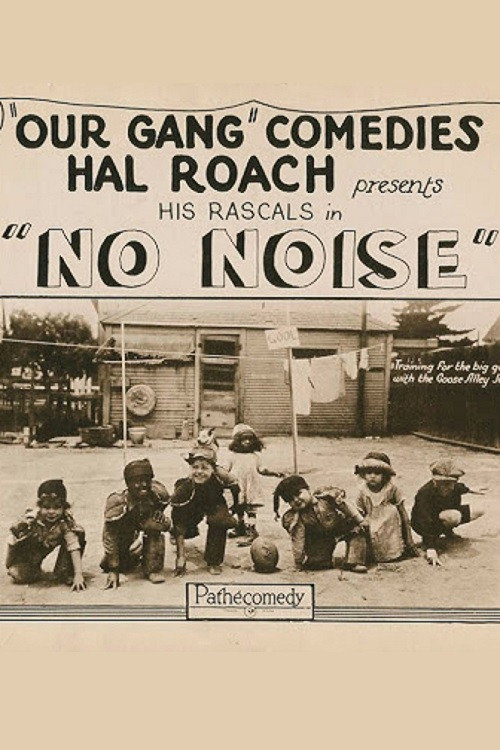
No Noise 1923
Step back into the playful energy of early 1920s comedy with *No Noise (1923)*, a charming short film directed by Robert F. McGowan that captures the mischievous spirit of childhood.
Director: Robert F. McGowan
Frequently Asked Questions
What is No Noise (1923) about?
*No Noise (1923)* follows a hospitalized boy whose friends visit but can't resist being loud, leading to a hilarious standoff with the hospital staff. The silent-era short relies on physical comedy and clever pranks to keep the energy high throughout its brief runtime.
Who directed No Noise?
The film was directed by Robert F. McGowan, a pioneer in early family comedy known for his work on the Our Gang series.
Who stars in No Noise?
The main cast includes the young Our Gang actors, though specific names are not listed in the available records.
Is No Noise (1923) worth watching?
As a 20-minute silent-era comedy, *No Noise (1923)* is a charming time capsule for fans of vintage slapstick. Its playful tone and nostalgic appeal make it enjoyable for those interested in early Hollywood or classic family films.
How long is No Noise?
The runtime for *No Noise (1923)* is listed as 20 minutes.
About No Noise (1923) — Classic Comedy Short Filled with Childhood Mischief and Silent-Era Charm
Step back into the playful energy of early 1920s comedy with *No Noise (1923)*, a charming short film directed by Robert F. McGowan that captures the mischievous spirit of childhood. The story follows poor Mickey, laid up in the hospital after a rough recovery, only to be visited by his spirited friends who can't resist making noise despite the doctor's orders. What unfolds is a classic slapstick battle of wits between the rowdy kids and the hospital staff, blending lighthearted chaos with a touch of heartwarming camaraderie. The film's black-and-white cinematography and snappy pacing evoke the golden age of silent cinema, offering a snapshot of family-friendly entertainment that's both nostalgic and timeless.
At its core, *No Noise (1923)* is a celebration of youthful exuberance and the universal joy of bending the rules. The young cast's antics—whether through exaggerated gestures or clever pranks—deliver a dose of pure, unfiltered fun, making it a standout entry in the early comedy genre. Themes of friendship, resilience, and the clash between authority and spontaneity shine through, wrapped in a playful atmosphere that's as infectious as it is entertaining.