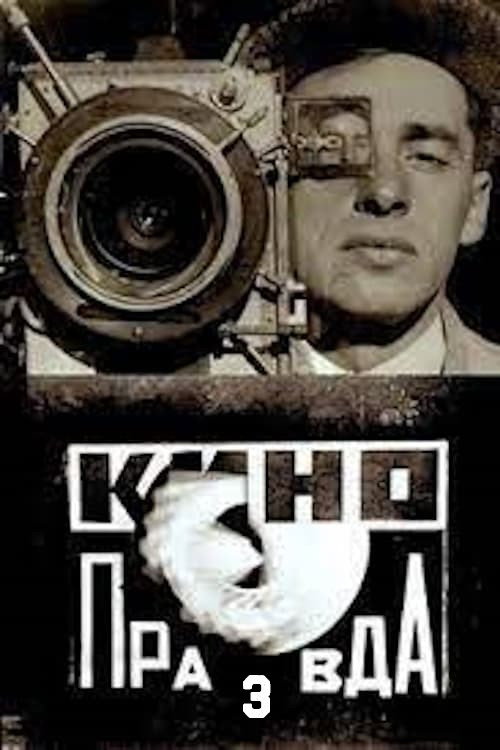
Kino-Pravda No. 3 1922
Kino-Pravda No. 3 (1922), directed by the Soviet avant-garde master Dziga Vertov, offers a raw, unfiltered snapshot of early 20th-century revolutionary fervor.
Director: Dziga Vertov
Cast
Frequently Asked Questions
What is Kino-Pravda No. 3 (1922) about?
This short documentary captures two pivotal moments from post-revolutionary Russia: the Trial of the Socialist Revolutionaries and a public demonstration where protestors carry banners through the streets. The film blends political urgency with Vertov's signature cinematic style.
Who directed Kino-Pravda No. 3?
Dziga Vertov, the Soviet filmmaker and pioneer of documentary cinema, directed Kino-Pravda No. 3 as part of his groundbreaking Kino-Pravda series.
Who stars in Kino-Pravda No. 3?
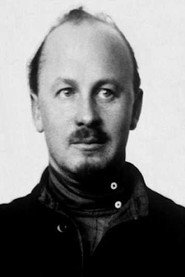
Nikolaj Ivanovič Bucharin appears in the trial scenes, while the film features protestors and revolutionary figures from the era.
Is Kino-Pravda No. 3 (1922) worth watching?
While unrated on IMDb, this eight-minute film is a fascinating artifact of early Soviet cinema and political history. Its innovative style and historical significance make it a compelling watch for documentary enthusiasts and film historians alike.
How long is Kino-Pravda No. 3?
Kino-Pravda No. 3 has a runtime of 8 minutes.
About Kino-Pravda No. 3 (1922) — A Glimpse Into Early Soviet Revolutionary Cinema
Kino-Pravda No. 3 (1922), directed by the Soviet avant-garde master Dziga Vertov, offers a raw, unfiltered snapshot of early 20th-century revolutionary fervor. This eight-minute documentary newsreel captures two pivotal moments from the era: the high-stakes Trial of the Socialist Revolutionaries and the defiant Demonstrators carrying banners through the streets. Vertov's innovative approach to documentary filmmaking shines through, blending political urgency with a cinematic urgency that feels strikingly modern. The film's black-and-white imagery and dynamic editing evoke a sense of historical immediacy, transporting viewers to the charged atmosphere of post-revolutionary Russia.
Moscow-born Nikolaj Ivanovič Bucharin, a key figure in the Socialist Revolutionary movement, appears in the trial scenes, adding a layer of personal and political gravity to the footage. As part of Vertov's pioneering Kino-Pravda series—a title that translates to "Film-Truth"—this installment stands out for its unflinching portrayal of early Soviet society, where ideology and reality collide. The film's themes of justice, dissent, and collective action resonate far beyond its runtime, making it a must-see for anyone interested in the intersection of politics and cinema.