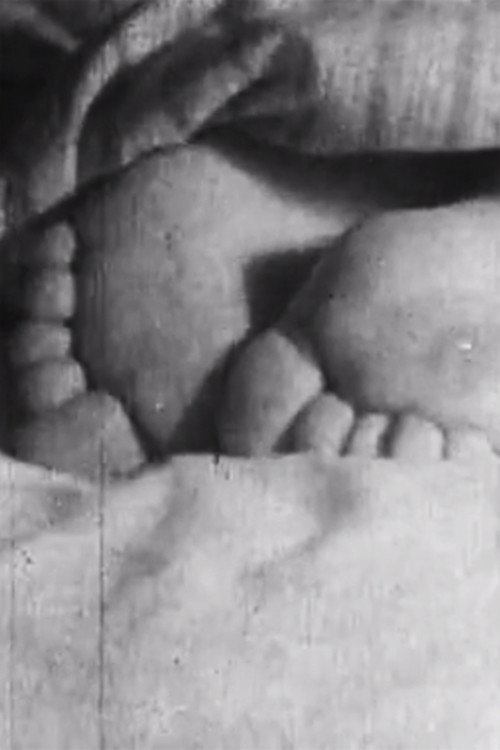
Asleep 1961
Asleep (1961), Stephen Dwoskin's debut film, offers a hypnotic glimpse into the quiet intimacy of slumber.
Director: Stephen Dwoskin
Frequently Asked Questions
What is Asleep (1961) about?
Asleep (1961) follows a woman's bare feet throughout an entire night, capturing their subtle shifts and contractions as she sleeps. Stephen Dwoskin's debut condenses hours of rest into a hypnotic four-minute experiment that turns ordinary motions into a meditative experience.
Who directed Asleep?
Stephen Dwoskin directed Asleep (1961). He was a pioneering figure in experimental and avant-garde cinema, known for his innovative visual storytelling.
Who stars in Asleep?
The main cast of Asleep (1961) remains uncredited in available records. The film centers primarily on the physical presence of the protagonist through their feet.
Is Asleep (1961) worth watching?
Asleep (1961) is a niche but fascinating short film best suited for fans of experimental cinema and visual poetry. Its brevity and focus make it an intriguing watch, though it may not appeal to those seeking traditional narratives. As an unrated curiosity from a notable director, it offers unique artistic merit.
How long is Asleep?
Asleep (1961) runs for 4 minutes.
Asleep (1961): A Poetic 4-Minute Study of Sleep — Full Film Info
Asleep (1961), Stephen Dwoskin's debut film, offers a hypnotic glimpse into the quiet intimacy of slumber. Shot in New York, this four-minute experimental short transforms an ordinary night's rest into something arrestingly poetic, focusing intently on a woman's feet as they twitch, relax, and surrender to the rhythms of sleep. Dwoskin's lens lingers on subtle, almost imperceptible movements, turning the mundane into the mesmerizing. The film exists in the liminal space between wakefulness and rest, capturing the body's quiet negotiation with stillness and dreams.
In just a few minutes, Asleep (1961) becomes a meditation on time, presence, and the hidden poetry of everyday moments. The stark black-and-white visuals enhance the dreamlike atmosphere, making the viewer feel both like an observer and an intruder in a private ritual. It's a work that rewards patience, inviting contemplation on how even the smallest physical gestures can carry emotional weight and narrative power.