Like Father, Like Son 2013
"At what point does a father truly become a father?"
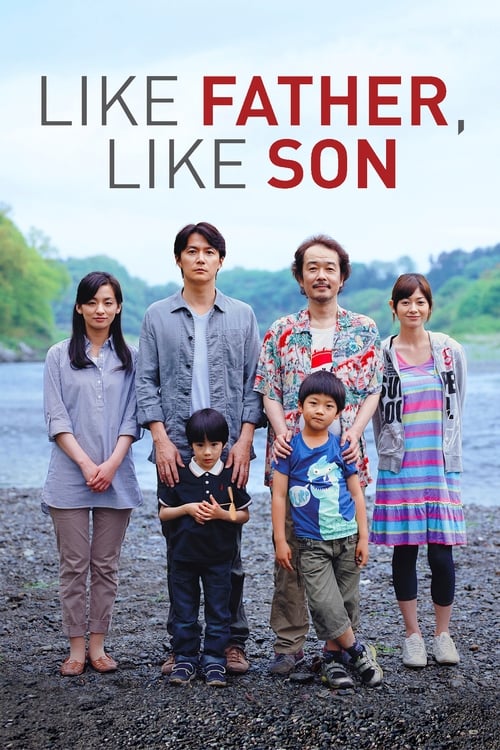
Like Father, Like Son (2013) is a tender yet thought-provoking drama from acclaimed Japanese filmmaker Hirokazu Kore-eda, whose delicate storytelling often explores the complexities of family and identity.
Director: Hirokazu Kore-eda
Cast
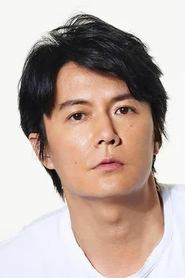
Masaharu Fukuyama
Ryota Nonomiya

Machiko Ono
Midori Nonomiya

Yoko Maki
Yukari Saiki
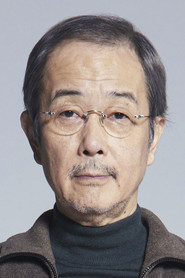
Lily Franky
Yudai Saiki

Jun Fubuki
Nobuko Nonomiya
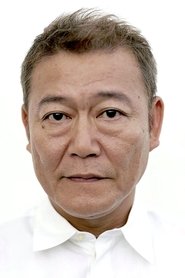
Jun Kunimura
Kazushi Kamiyama
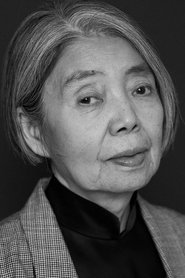
Kirin Kiki
Riko Ishizeki
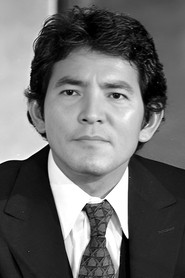
Isao Natsuyagi
Ryosuke Nonomiya
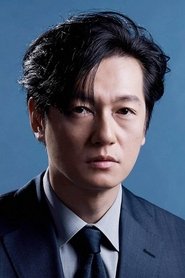
Arata Iura
Shinichi Yamabe

Keita Ninomiya
Keita Nonomiya
Frequently Asked Questions
What is Like Father, Like Son (2013) about?
The film centers on Ryota Nonomiya, a wealthy businessman whose life is upended when he learns his son was switched at birth with another child. Forced to confront the meaning of fatherhood, Ryota must decide between his biological son and the boy he raised as his own.
Who directed Like Father, Like Son?
Hirokazu Kore-eda directed Like Father, Like Son. Known for his intimate character studies, Kore-eda won the Cannes Jury Prize for this film, cementing his reputation as a master of family dramas.
Who stars in Like Father, Like Son?
The film features Masaharu Fukuyama as Ryota Nonomiya, alongside Machiko Ono as his wife Midori, and Yoko Maki as the other mother, Emi.
Is Like Father, Like Son (2013) worth watching?
Like Father, Like Son is a deeply moving drama that resonates on emotional and intellectual levels. While not a fast-paced thriller, its exploration of love and sacrifice makes it compelling for fans of thoughtful cinema.
How long is Like Father, Like Son?
The film runs for 120 minutes.
🎥 Trailer
About Like Father, Like Son (2013) — A heartbreaking drama about identity and family ties
Like Father, Like Son (2013) is a tender yet thought-provoking drama from acclaimed Japanese filmmaker Hirokazu Kore-eda, whose delicate storytelling often explores the complexities of family and identity. The film follows Ryota Nonomiya, a high-powered executive whose life unravels after discovering his six-year-old son was switched at birth—leaving him torn between the biological child he never knew and the boy he's raised with everything he's worked for.
As Ryota and his wife grapple with this impossible choice, the film delves into themes of love, privilege, and what truly defines parenthood. With quiet intensity and emotional depth, Kore-eda crafts a story that lingers long after the credits roll, challenging viewers to question where duty ends and devotion begins.