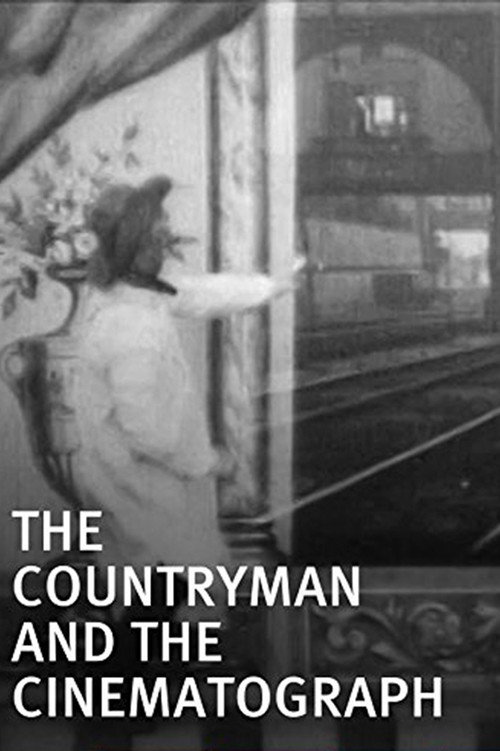
The Countryman and the Cinematograph 1901
In the earliest days of cinematic wonder, Robert W. Paul's *The Countryman and the Cinematograph (1901)* captures a hilarious snapshot of how moving pictures baffled and thrilled unsuspecting audiences.
Director: Robert W. Paul
Frequently Asked Questions
What is *The Countryman and the Cinematograph* (1901) about?
This short comedy film explores a country bumpkin's hilarious encounter with a cinema for the first time. Unsure how to react to moving images, he oscillates between bewilderment and panic—particularly when a train on screen seems to charge toward him.
Who directed *The Countryman and the Cinematograph*?
Robert W. Paul, a pioneer of early British cinema, directed this groundbreaking one-minute comedy.
Who stars in *The Countryman and the Cinematograph*?
The film's cast is uncredited, as was common for short films of this era. The lead role is a stereotypical country man reacting to the new medium.
Is *The Countryman and the Cinematograph* (1901) worth watching?
As a historical curiosity, it's absolutely worth one minute of your time. While modern viewers may find it quaint, its humor and thematic depth make it a charming artifact of early cinema. It's best appreciated as a glimpse into film's earliest days rather than a narrative masterpiece.
How long is *The Countryman and the Cinematograph*?
This short film runs for exactly 1 minute.
About The Countryman and the Cinematograph (1901) — How a country man met early cinema's biggest fright
In the earliest days of cinematic wonder, Robert W. Paul's *The Countryman and the Cinematograph (1901)* captures a hilarious snapshot of how moving pictures baffled and thrilled unsuspecting audiences. This one-minute comedy short follows a simple country man—portrayed with classic early 20th-century stereotypes—who stumbles into a cinema for the first time. As flickering images spring to life on screen, his reactions swing wildly between confusion and sheer terror, especially when a steam train appears to barrel straight toward him. The film isn't just a quirky time capsule; it's a playful commentary on the awe and anxiety that greeted cinema as a new form of storytelling.
With its playful satire and lightning-fast runtime, *The Countryman and the Cinematograph (1901)* offers a delightful glimpse into the birth of film comedy. Paul's inventive direction blends humor with a touch of the uncanny, highlighting how early spectators projected their own fears onto the moving image. The rural protagonist's over-the-top reactions immortalize the magic—and occasional chaos—of experiencing cinema for the very first time.