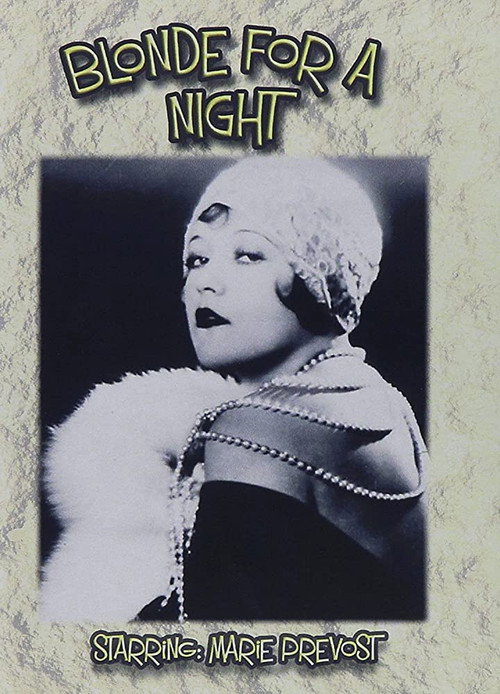
A Blonde for a Night 1928
In the golden age of silent cinema, *A Blonde for a Night* (1928) delivers a sharp and playful comedy of marital mischief. Directed by E.
Director: E. Mason Hopper
Cast
Frequently Asked Questions
What is A Blonde for a Night (1928) about?
This silent-era comedy follows a newlywed woman who, after a heated argument with her husband, disguises herself as a blonde to test his fidelity. The plot unfolds with humor and deception, exploring themes of trust and the lengths people go to prove a point.
Who directed A Blonde for a Night?
The film was directed by E. Mason Hopper, a veteran of early Hollywood known for his work in silent and early sound films.
Who stars in A Blonde for a Night?
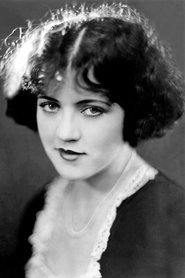
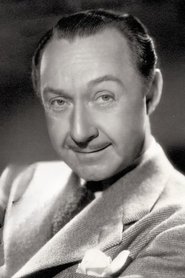
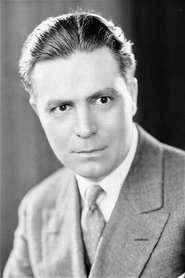
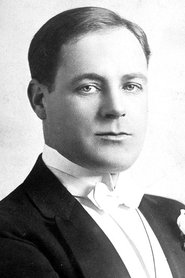
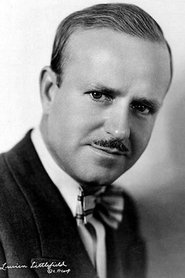
The main cast includes Marie Prevost, Franklin Pangborn, Harrison Ford, T. Roy Barnes, and Lucien Littlefield, each bringing their unique comedic energy to the screen.
Is A Blonde for a Night (1928) worth watching?
As a silent comedy with a runtime of just 54 minutes, *A Blonde for a Night* offers a charming glimpse into 1920s filmmaking. Its blend of humor, deception, and social commentary makes it a worthwhile watch for fans of classic cinema, even without a modern rating.
How long is A Blonde for a Night?
The film has a runtime of 54 minutes, perfect for a quick but satisfying dose of silent-era entertainment.
About A Blonde for a Night (1928) — A Classic Silent Comedy of Love, Lies, and Blonde Ambitions
In the golden age of silent cinema, *A Blonde for a Night* (1928) delivers a sharp and playful comedy of marital mischief. Directed by E. Mason Hopper, this 54-minute gem stars Marie Prevost as a newlywed who, after a heated quarrel with her husband, transforms herself into a dazzling blonde to test his loyalty. With a backdrop of 1920s glamour and wit, the film explores themes of trust, temptation, and the lengths people go to prove a point. Franklin Pangborn and Lucien Littlefield add comic flair as the unsuspecting husband and a meddling neighbor, while Harrison Ford and T. Roy Barnes round out the ensemble with their signature charm.
The movie's breezy runtime and clever pacing make it a delightful snapshot of pre-Code Hollywood, blending physical comedy with a lighthearted critique of gender norms. Prevost's transformation scene alone is a visual treat, capturing the era's playful approach to disguise and deception. Under Hopper's direction, the film balances humor with a surprisingly modern take on relationships, leaving audiences both entertained and slightly reflective.