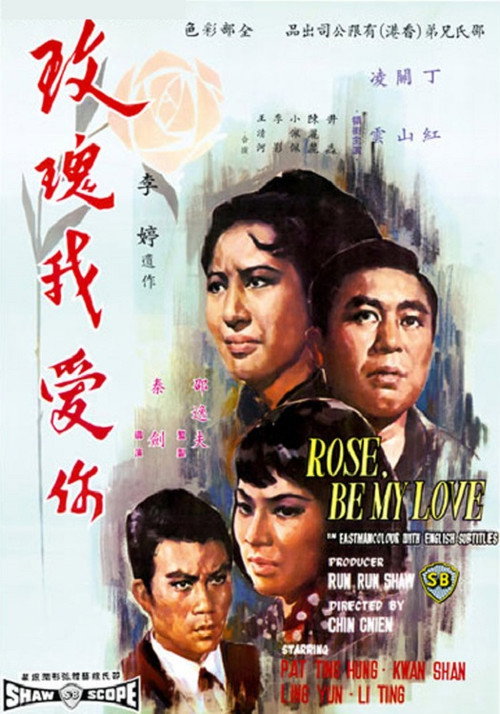
Rose, Be My Love 1966
Directed by the esteemed Chun Kim, *Rose, Be My Love* (1966) is a poignant romantic drama that thrives in the golden era of Shaw Brothers cinema.
Director: Chun Kim
Cast

Frequently Asked Questions
What is Rose, Be My Love (1966) about?
Set on the brink of Pearl Harbor and Japan's invasion of Hong Kong, *Rose, Be My Love* follows a doomed romance unfolding against the backdrop of war. The film explores themes of love, sacrifice, and fate through a complex love rectangle, blending personal drama with historical tension.
Who directed Rose, Be My Love?
The film was directed by Chun Kim, a prominent figure in Shaw Brothers' golden era of cinema, known for his polished storytelling and technical expertise.
Who stars in Rose, Be My Love?
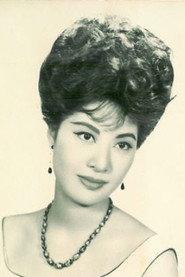
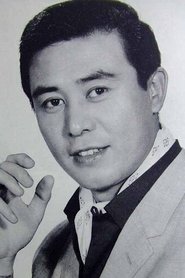
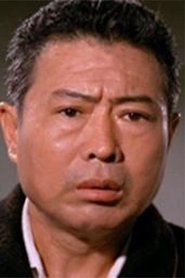
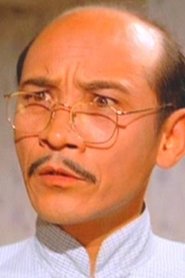
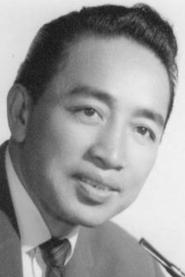
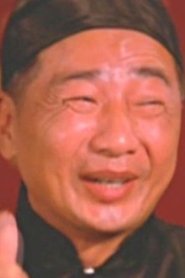
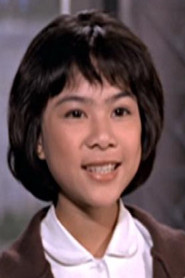
The film stars Pat Ting Hung, Lee Ting, Guan Shan, Ling Yun, and Ching Miao, with Lee Ying rounding out the ensemble.
Is Rose, Be My Love (1966) worth watching?
While not rated on IMDb, *Rose, Be My Love* is a compelling watch for fans of 1960s romantic dramas and Shaw Brothers' cinematic legacy. Its emotional depth and historical context make it a memorable, if bittersweet, experience.
How long is Rose, Be My Love?
The runtime of *Rose, Be My Love* is 91 minutes, offering a concise yet impactful narrative.
About Rose, Be My Love (1966) — The Tragic Romance of Shaw Brothers' Golden Era
Directed by the esteemed Chun Kim, *Rose, Be My Love* (1966) is a poignant romantic drama that thrives in the golden era of Shaw Brothers cinema. Set against the looming shadows of World War II's outbreak, the film weaves a tragic tale of romance and loss, capturing the fragile beauty of love amid impending doom. The story centers on a love rectangle rather than a triangle, amplifying emotional stakes and heartbreaking twists. With its polished production and stellar cast, the film blends technical brilliance with raw emotional depth, making it a standout in 1960s Hong Kong cinema.
At the heart of *Rose, Be My Love* is a romance that feels both timeless and tragically fleeting. The film's atmosphere is charged with a bittersweet tension, heightened by the real-life tragedy of its leading lady, Li Ting—the "Rose" of the title—whose untimely death shortly after filming adds a layer of poignancy to the story. Chun Kim's direction elevates the narrative, creating a cinematic experience that lingers long after the credits roll.