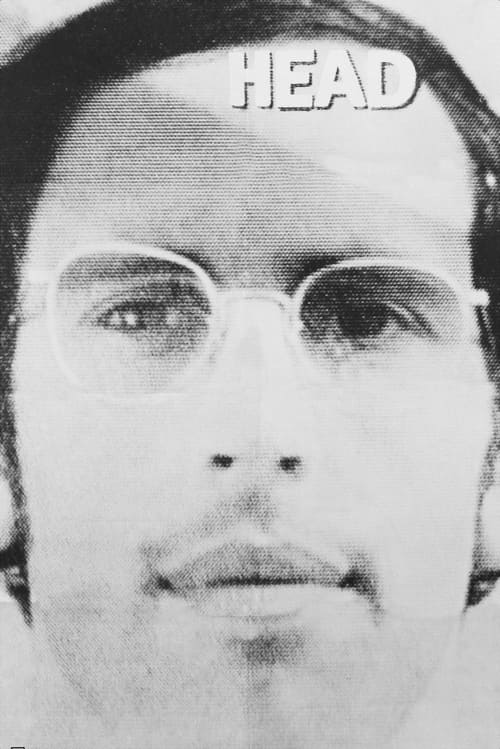
Head 1968
"What is HEAD all about? Only John Brockman's shrink knows for sure!"
Dive into the psychedelic world of *Head (1968)*, Bob Rafelson's surrealist spin on The Monkees' television fame.
Director: Bob Rafelson
Cast
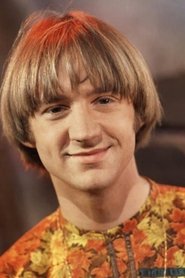
Peter Tork
Peter
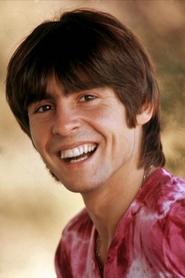
Davy Jones
Davy
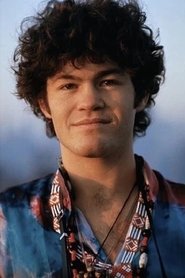
Micky Dolenz
Micky
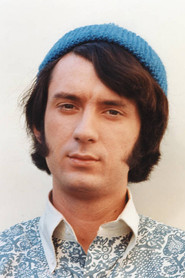
Michael Nesmith
Mike
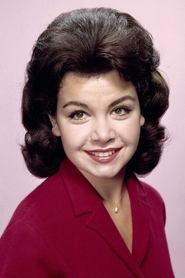
Annette Funicello
Minnie
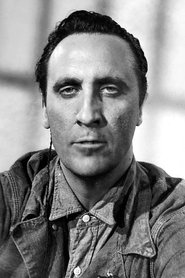
Timothy Carey
Lord High 'n Low
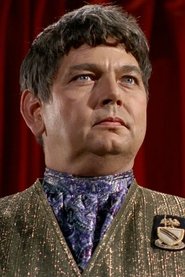
Logan Ramsey
Off. Faye Lapid
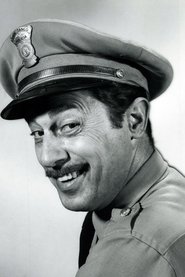
Vito Scotti
I. Vitteloni
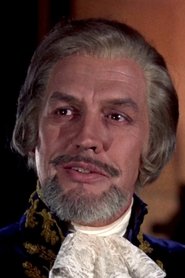
Charles Macaulay
Inspector Shrink

T.C. Jones
Mr. and Mrs. Ace
Frequently Asked Questions
What is Head (1968) about?
This isn't your usual Monkees adventure—*Head* is a dreamlike escape from their TV fame, packed with musical madness and social satire. Think of it as a collage of vignettes where the band confronts absurdity, identity crises, and the absurdity of celebrity itself.
Who directed Head?
Bob Rafelson, the visionary filmmaker behind *Five Easy Pieces*, helmed this offbeat project, blending surrealism with sharp cultural critique.
Who stars in Head?
The legendary Monkees quartet—Peter Tork, Davy Jones, Micky Dolenz, and Michael Nesmith—take center stage, joined by Annette Funicello and Timothy Carey for added eccentricity.
Is Head (1968) worth watching?
*Head (1968)* isn't your typical feel-good romp; it's a divisive cult classic that thrives on its ambition. If you love experimental music films or 60s counterculture chaos, it's a must-see—but it might leave you scratching your head (pun intended).
How long is Head?
This zany musical romp runs for 86 minutes, making it a perfect fit for a quick but mind-bending cinematic escape.
🎥 Trailer
About Head (1968) — The Monkees' Psychedelic Rebellion on Film
Dive into the psychedelic world of *Head (1968)*, Bob Rafelson's surrealist spin on The Monkees' television fame. Breaking free from conventional narrative, this film blends absurdist humor, kaleidoscopic visuals, and biting commentary on fame, society, and the counterculture movement of the 1960s.
Peter Tork, Davy Jones, Micky Dolenz, and Michael Nesmith trade their TV personas for fragmented vignettes, dancing between musical numbers and darkly comic set pieces that blur the line between entertainment and existential critique. With a playful yet provocative tone, *Head (1968)* feels like a cinematic acid trip—equal parts nostalgic and subversive, capturing the era's restless energy.