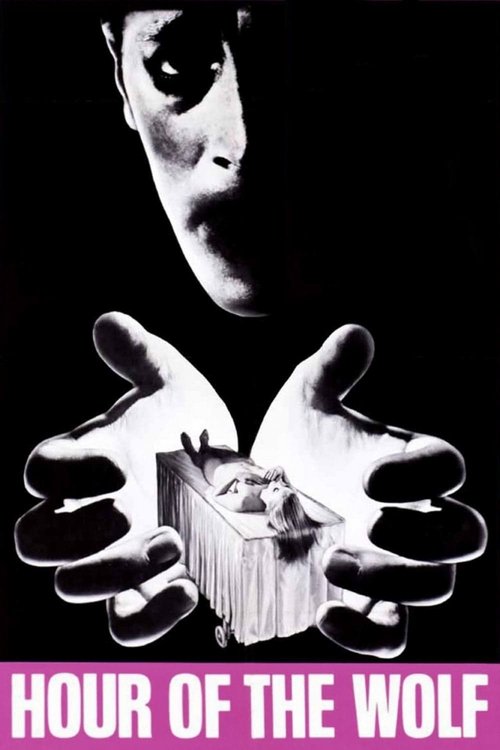
Hour of the Wolf 1968
"The hour of the wolf is the hour between night and dawn. It is the hour when most people die, when sleep is the deepest, when nightmares feel most real."
Ingmar Bergman's psychological horror-drama *Hour of the Wolf (1968)* plunges into the dark corners of a tormented artist's mind as he confronts his deepest fears and repressed desires.
Director: Ingmar Bergman
Cast

Max von Sydow
Johan Borg

Liv Ullmann
Alma Borg

Gertrud Fridh
Corinne von Merkens
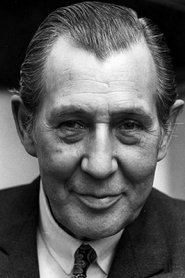
Georg Rydeberg
Lindhorst
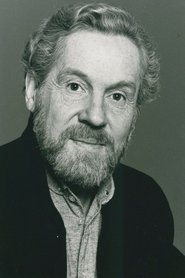
Erland Josephson
Baron von Merkens
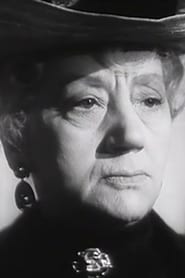
Naima Wifstrand
Old Lady with Hat
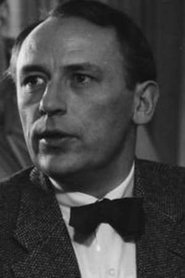
Ulf Johansson
Heerbrand

Gudrun Brost
Gamla Fru von Merkens
Bertil Anderberg
Ernst von Merkens

Ingrid Thulin
Veronica Vogler
Frequently Asked Questions
What is Hour of the Wolf (1968) about?
The film follows Johan Borg, an artist suffering a mental breakdown while staying on a secluded German island with his pregnant wife. As his repressed desires surface, he becomes haunted by nightmarish visions that blur the line between reality and delusion.
Who directed Hour of the Wolf?
Ingmar Bergman, the legendary Swedish filmmaker known for his profound psychological dramas like *Persona* and *The Seventh Seal*, directed *Hour of the Wolf*.
Who stars in Hour of the Wolf?
The film features Max von Sydow as Johan Borg, Liv Ullmann as his wife Alma, along with Gertrud Fridh, Georg Rydeberg, and Erland Josephson in pivotal roles.
Is Hour of the Wolf (1968) worth watching?
Absolutely, if you appreciate slow-burn psychological horror with deep thematic layers. Though unrated on IMDb, its reputation as a Bergman masterpiece and cult horror film makes it a must-watch for fans of arthouse cinema and atmospheric storytelling.
How long is Hour of the Wolf?
The runtime is 88 minutes.
🎥 Trailer
About Hour of the Wolf (1968) — Ingmar Bergman's haunting descent into psychological horror
Ingmar Bergman's psychological horror-drama *Hour of the Wolf (1968)* plunges into the dark corners of a tormented artist's mind as he confronts his deepest fears and repressed desires. Set against the eerie isolation of a remote German island, the film follows Johan Borg—a painter on the brink of collapse—as he grapples with visions that blur the line between nightmare and reality. His pregnant wife, Alma, stands by helplessly, while haunting encounters with spectral figures push him to the edge of madness.
With its stark black-and-white cinematography and oppressive atmosphere, *Hour of the Wolf* weaves a chilling tale of existential dread and psychological unraveling. Bergman masterfully crafts tension through silence and suggestion, making the unseen far more terrifying than the grotesque. The film's themes of guilt, creativity, and the fragility of the human psyche linger long after the credits roll, cementing its place as a cult classic of 1960s art-house horror.