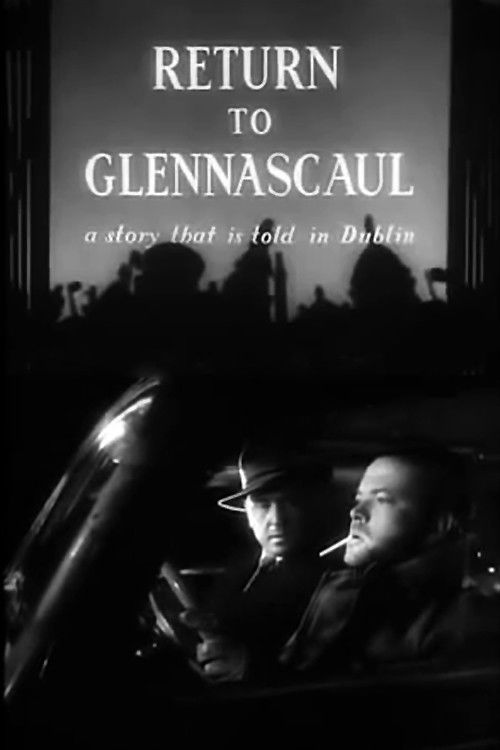
Return to Glennascaul 1953
A brief but haunting tale of fate and the supernatural, *Return to Glennascaul (1953)* unfolds when Orson Welles, pausing from his work on *Othello*, gives a lift to a stranded motorist on a misty Irish road.
Director: Hilton Edwards
Cast
Frequently Asked Questions
What is *Return to Glennascaul* (1953) about?
*Return to Glennascaul* follows Orson Welles helping a stranded motorist on a lonely Irish road, only to hear a spine-tingling tale about a mysterious encounter years earlier at the same spot. The story unfolds like a ghostly puzzle, blending horror and drama into a compact, unforgettable narrative.
Who directed *Return to Glennascaul*?
*Return to Glennascaul* was directed by Hilton Edwards, a filmmaker known for his work in Irish theater and cinema.
Who stars in *Return to Glennascaul*?
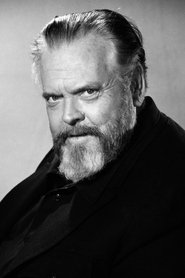
The cast includes Orson Welles, Michael Laurence, Shelah Richards, Helena Hughes, and John Dunne.
Is *Return to Glennascaul* (1953) worth watching?
As a 23-minute short film with a moody atmosphere and a standout performance by Orson Welles, *Return to Glennascaul* is a hidden gem for horror and classic film enthusiasts. Its eerie storytelling and compact runtime make it a compelling watch, even decades after its release.
How long is *Return to Glennascaul*?
*Return to Glennascaul* runs for 23 minutes.
About Return to Glennascaul (1953) — Orson Welles' haunting Irish ghost story in 23 minutes
A brief but haunting tale of fate and the supernatural, *Return to Glennascaul (1953)* unfolds when Orson Welles, pausing from his work on *Othello*, gives a lift to a stranded motorist on a misty Irish road. What follows is a chilling recounting of a past encounter at the same desolate spot, where the driver once glimpsed eerie figures near the ruins of Glennascaul. Directed by Hilton Edwards, this short film blends horror and drama with a moody atmosphere, weaving themes of coincidence, dread, and the uncanny into its compact 23-minute runtime. Starring Welles alongside Michael Laurence and Shelah Richards, the story lingers like a ghostly whisper, leaving viewers to ponder the line between reality and the unexplained.
Shot in stark black-and-white, the film's eerie cinematography heightens the unease, while its narrative structure—wrapped in layers of recollection—turns a simple ride into a journey into the unknown. Perfect for fans of atmospheric horror or classic cinema, *Return to Glennascaul* is a hidden gem that proves even the briefest stories can cast long shadows.