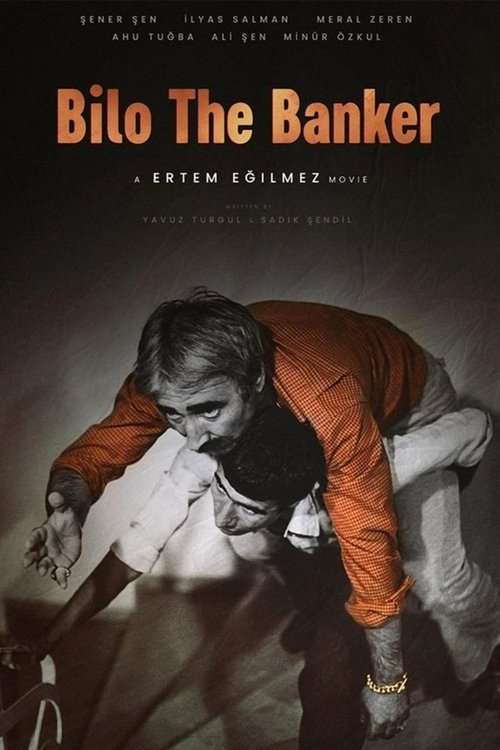
Bilo the Banker 1980
In *Bilo the Banker (1980)*, Turkish cinema legend Ertem Eğilmez crafts a heartfelt comedy-drama that balances warmth, ambition, and village life.
Director: Ertem Eğilmez
Cast







Frequently Asked Questions
What is Bilo the Banker (1980) about?
Bilo the Banker follows a kind-hearted man who must earn enough money to marry the girl of his dreams, only to face an unexpected opportunity to work abroad. The story explores his journey of hardship, friendship, and the universal desire for a better future.
Who directed Bilo the Banker?
Bilo the Banker was directed by Ertem Eğilmez, known for blending comedy with social commentary in classic Turkish cinema.
Who stars in Bilo the Banker?
The film stars İlyas Salman, Şener Şen, Meral Zeren, Ahu Tuğba, and Münir Özkul in memorable roles.
Is Bilo the Banker (1980) worth watching?
*Bilo the Banker* offers a delightful mix of humor and heartfelt drama, making it a charming choice for fans of classic Turkish cinema. Its relatable themes and engaging performances provide an enjoyable viewing experience.
How long is Bilo the Banker?
Bilo the Banker has a runtime of 85 minutes.
About Bilo the Banker (1980) — A Heartwarming Comedy-Drama on Ambition and Love
In *Bilo the Banker (1980)*, Turkish cinema legend Ertem Eğilmez crafts a heartfelt comedy-drama that balances warmth, ambition, and village life. Bilo, a kind-hearted dreamer, finds himself in a classic quest: winning the hand of his village's most beloved girl—but his path to love is blocked by the daunting hurdle of a dowry. With no fortune of his own, he turns to his loyal best friend Mahmut, who offers a solution that will take Bilo far from home: a grueling stint working in a German factory. Packed with sharp humor and emotional depth, *Bilo the Banker* captures the universal struggles of perseverance and sacrifice through a distinctly Turkish lens.
Filled with unforgettable characters and Eğilmez's signature storytelling, the film blends laughter with poignant moments, creating a feel-good escape that resonates long after the credits roll. The movie's rural setting and modern aspirations collide, making it more than just a simple comedy—it's a cultural snapshot of hope and resilience in the face of economic hardship.