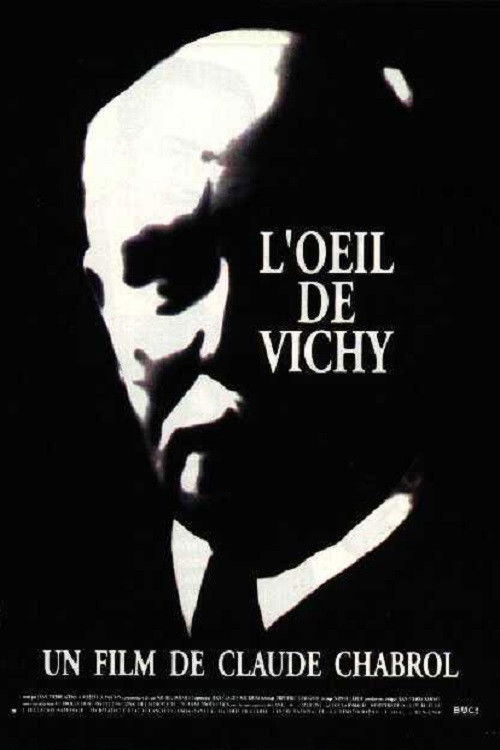
The Eye of Vichy 1993
Claude Chabrol's *The Eye of Vichy (1993)* strips away the rose-tinted lenses of history to expose the chilling machinery of propaganda that gripped France during World War II.
Director: Claude Chabrol
Cast
Frequently Asked Questions
What is The Eye of Vichy (1993) about?
This documentary dissects the Nazi and Vichy propaganda films that flooded French cinema screens during World War II, aiming to shift public opinion against Jews and the Allies. Using only archival footage from 1940–1944, it exposes the calculated manipulation behind the regime's indoctrination efforts.
Who directed The Eye of Vichy?
The film was directed by acclaimed French filmmaker Claude Chabrol, known for his sharp critiques of societal hypocrisy and moral decay.
Who stars in The Eye of Vichy?
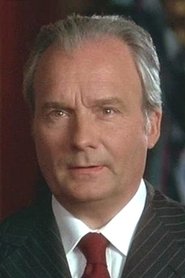
The documentary features Michel Bouquet as the narrator, lending gravitas to the grim historical narrative.
Is The Eye of Vichy (1993) worth watching?
While not for the faint-hearted, this documentary is a vital watch for anyone interested in propaganda, WWII history, or Chabrol's filmmaking legacy. Its unflinching use of archival footage offers a unique, unsettling perspective that lingers long after the credits roll.
How long is The Eye of Vichy?
The film runs for 110 minutes.
The Eye of Vichy (1993): How Propaganda Shaped Occupied France — Full Movie Info
Claude Chabrol's *The Eye of Vichy (1993)* strips away the rose-tinted lenses of history to expose the chilling machinery of propaganda that gripped France during World War II. Through nothing but unearthed newsreels and official Vichy-era broadcasts, this sobering documentary reconstructs the dark art of psychological manipulation crafted by Nazi collaborators to demonize Jews and vilify the Allied Forces. The film's relentless montage of archival footage—glossy, insidious, and deceptively calm—creates an atmosphere of creeping dread, revealing how mass media became a weapon of control. Chabrol, working with raw historical material, crafts a haunting indictment of complicity, forcing viewers to confront the insidious power of images in shaping public perception.
Far from a dry academic exercise, *The Eye of Vichy* is a visceral experience that blends the precision of a surgeon's scalpel with the emotional weight of a historical reckoning. By refusing to dilute the original propaganda with modern commentary, the film immerses audiences in the unsettling propaganda landscape of occupied France, where truth was warped into a tool of oppression. It's a stark reminder that propaganda isn't just about lies—it's about the erosion of reality itself, and *The Eye of Vichy (1993)* makes that erosion impossible to ignore.