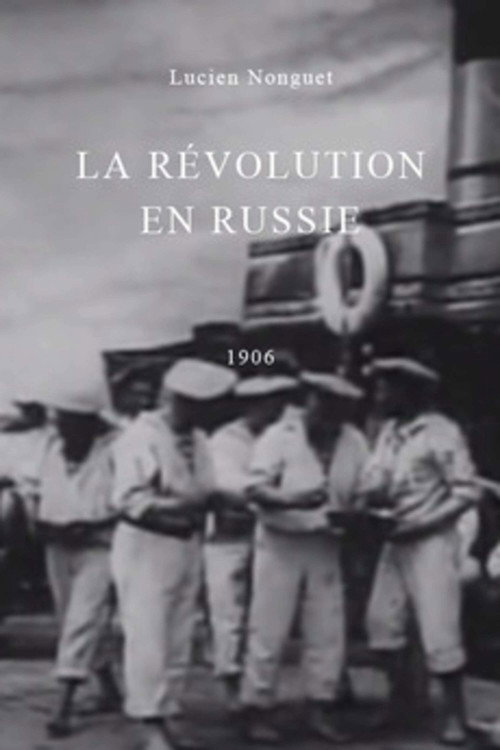
Revolution in Russia 1905
Lucien Nonguet's *Revolution in Russia (1905)* brings to vivid life the fiery spirit of the 1905 Russian uprising through a gripping four-minute silent drama.
Director: Lucien Nonguet
Frequently Asked Questions
What is Revolution in Russia (1905) about?
The film dramatizes the 1905 Odessa uprising, following sailors who mutiny against their oppressive conditions aboard a ship. Their rebellion inspires a citywide revolt when a fallen comrade becomes a martyr, fueling resistance against czarist authority.
Who directed Revolution in Russia?
Lucien Nonguet directed the film, known for his early contributions to French cinema.
Who stars in Revolution in Russia?
Cast details for *Revolution in Russia (1905)* are not listed; the production predates modern credit systems.
Is Revolution in Russia (1905) worth watching?
As a historical silent film, *Revolution in Russia (1905)* offers a rare glimpse into early cinema and the revolutionary spirit of its time. While not a modern narrative, its brevity and thematic depth make it a curiosity worth exploring for silent film enthusiasts.
How long is Revolution in Russia?
The film runs for 4 minutes.
Revolution in Russia (1905): Silent Drama Capturing the 1905 Russian Uprising — Full Movie Info
Lucien Nonguet's *Revolution in Russia (1905)* brings to vivid life the fiery spirit of the 1905 Russian uprising through a gripping four-minute silent drama. The film reimagines a pivotal moment when oppressed sailors aboard a mistreated ship seize control during a mutiny, transforming their vessel into a symbol of resistance. Their defiance reaches a tragic climax when a fallen comrade becomes a rallying martyr, igniting a citywide rebellion against the czarist regime. With stark visual storytelling, the movie captures the tension between hope and oppression, blending historical urgency with cinematic immediacy.
Set against the backdrop of Odessa's working-class unrest, *Revolution in Russia (1905)* channels the raw energy of early 20th-century social upheaval. Nonguet's direction leans into raw emotion, using stark contrasts between quiet despair and explosive defiance to mirror the era's transformative unrest. The film's brevity belies its impact, offering a condensed yet powerful snapshot of revolution in motion.