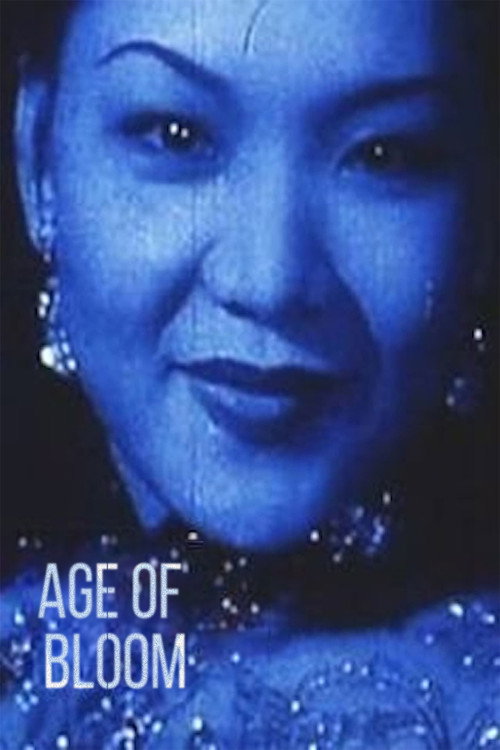
Age of Bloom 2001
Wong Kar-Wai's *Age of Bloom* (2001) is a mesmerizing three-minute cinematic time capsule that stitches together forgotten fragments of classic Chinese cinema.
Director: Wong Kar-Wai
Frequently Asked Questions
What is Age of Bloom (2001) about?
This short film is a visual collage of rare scenes from silent-era Chinese cinema, painstakingly restored from decaying nitrate prints. Set to Zhou Xuan's iconic song, it evokes the romantic and fleeting beauty of early 20th-century Chinese filmmaking.
Who directed Age of Bloom?
Director information is not available for *Age of Bloom* (2001).
Who stars in Age of Bloom?
The identities of the actors in *Age of Bloom* (2001) are not listed, as the film is a montage of archival footage.
Is Age of Bloom (2001) worth watching?
At just three minutes long, *Age of Bloom* offers a unique glimpse into lost cinematic history. Fans of Wong Kar-Wai's atmospheric storytelling and vintage film aesthetics will find it a brief but captivating experience.
How long is Age of Bloom?
The runtime for *Age of Bloom* (2001) is 3 minutes.
About Age of Bloom (2001) — Wong Kar-Wai's Lost Film Masterpiece Set to Zhou Xuan's Classic
Wong Kar-Wai's *Age of Bloom* (2001) is a mesmerizing three-minute cinematic time capsule that stitches together forgotten fragments of classic Chinese cinema. Rediscovered in the 1990s as nitrate prints tucked away in a California warehouse, these lost scenes—once thought vanished—are reanimated through a dreamlike montage set to Zhou Xuan's hauntingly nostalgic song *Hua yang de nian hua*. The film captures the golden age of early 20th-century Chinese cinema, weaving together fleeting moments of romance, drama, and historical sweep into a fleeting but unforgettable visual poem.
Draped in melancholy and nostalgia, *Age of Bloom* (2001) transforms silent-era whispers into a modern homage to a bygone artistic golden age. Its brevity belies its emotional depth, as Wong Kar-Wai's signature lyrical style condenses decades of cinematic history into a poetic meditation on memory and loss.