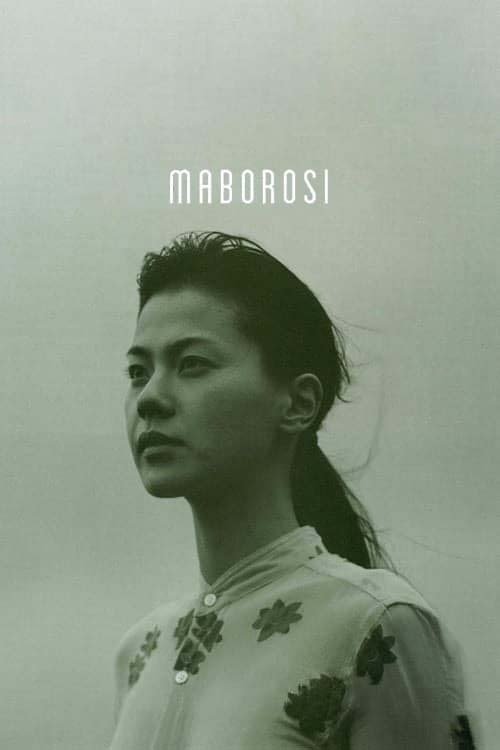
Maborosi 1995
In Hirokazu Kore-eda's quietly devastating drama *Maborosi (1995)*, a young woman's life unravels after a sudden, inexplicable loss leaves her adrift in a world that feels stripped of meaning.
Director: Hirokazu Kore-eda
Cast

Makiko Esumi
Yumiko

Tadanobu Asano
Ikuo

Takashi Naito
Tamio

Midori Kiuchi
Michiko
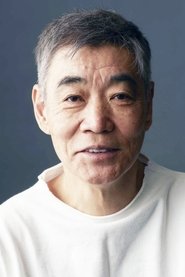
Akira Emoto
Yoshihiro
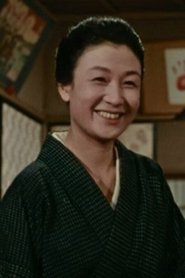
Mutsuko Sakura
Tomeno
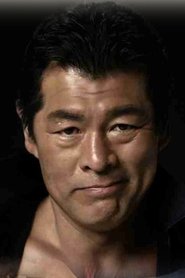
Hidekazu Akai
Master
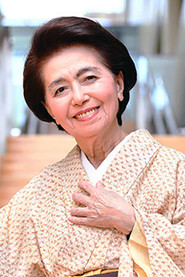
Hiromi Ichida
Hatsuko
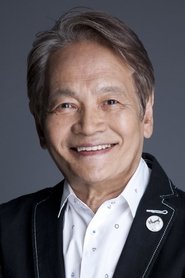
Minori Terada
Detective

Ren Osugi
Hiroshi
Frequently Asked Questions
What is Maborosi (1995) about?
*Maborosi* follows a young widow as she grapples with the sudden death of her husband, forcing her to rebuild her life in a world that feels hollow and uncertain. The film traces her emotional journey through quiet resilience, exploring themes of memory, solitude, and the fragile threads that connect us to the past.
Who directed Maborosi?
Maborosi was directed by Hirokazu Kore-eda, a visionary filmmaker known for his intimate, humanist storytelling in films like *Shoplifters* and *Still Walking*.
Who stars in Maborosi?
The film stars Makiko Esumi as the grieving widow, alongside Tadanobu Asano, Takashi Naito, Midori Kiuchi, and Akira Emoto in pivotal roles.
Is Maborosi (1995) worth watching?
Absolutely. As a poignant exploration of loss and resilience, *Maborosi* showcases Kore-eda's signature restraint and emotional depth. Its stark beauty and meditative pacing make it a standout in the drama genre, ideal for viewers who appreciate thoughtful, atmospheric cinema.
How long is Maborosi?
Maborosi has a runtime of 110 minutes.
🎥 Trailer
About Maborosi (1995) — A Quiet Masterpiece of Loss and Light
In Hirokazu Kore-eda's quietly devastating drama *Maborosi (1995)*, a young woman's life unravels after a sudden, inexplicable loss leaves her adrift in a world that feels stripped of meaning. The film follows her journey as she navigates widowhood, isolation, and the fragile search for solace in a modern landscape that offers little comfort. Shot in luminous black-and-white, Kore-eda's debut feature blends stark realism with poetic ambiguity, capturing the quiet resilience of those left behind. Makiko Esumi delivers a powerfully restrained performance as the protagonist, embodying both sorrow and quiet determination against the backdrop of an indifferent urban sprawl.
Themes of grief, memory, and the fleeting nature of human connection permeate *Maborosi*, as Kore-eda explores how tragedy reshapes identity. The film's meditative pacing and evocative cinematography create an atmosphere of haunting beauty, where even the smallest moments—a flickering streetlamp, a distant train whistle—carry weight. A meditation on loss and the search for light in darkness, *Maborosi* remains a masterclass in understated storytelling.