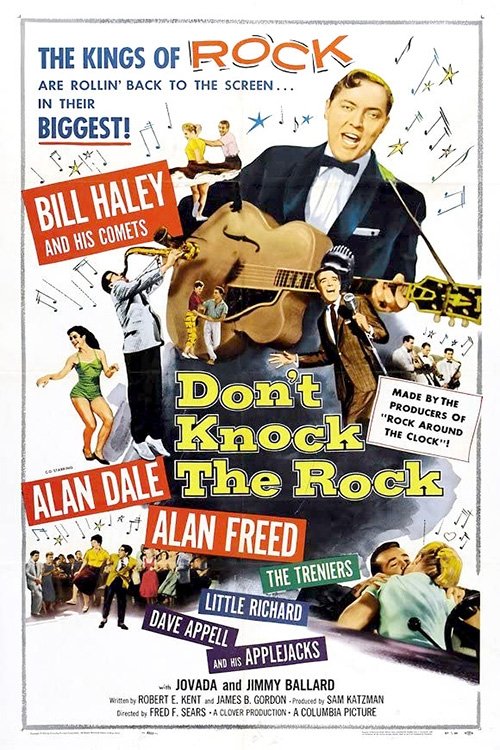
Don't Knock The Rock 1956
"Rock'N'Roll Will Save The Day!"
In the electrifying Don't Knock The Rock (1956), rock-and-roll legend Bill Haley returns home as a conquering hero, only to face resistance from his town's conservative mayor who brands his music a corrupting force.
Director: Fred F. Sears
Cast
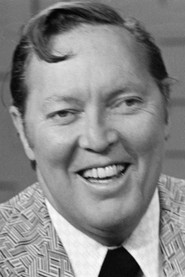
Bill Haley
Himself
Alan Dale
Arnie Haines
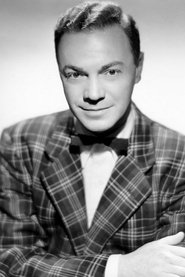
Alan Freed
Himself
The Treniers
The Treniers
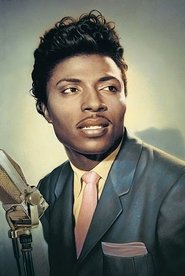
Little Richard
Himself
Dave Appell
Dave Appell
Applejacks
The Applejacks
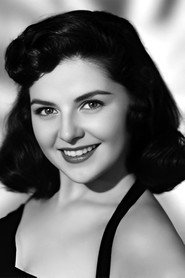
Patricia Hardy
Francine MacLaine

Fay Baker
Arlene MacLaine
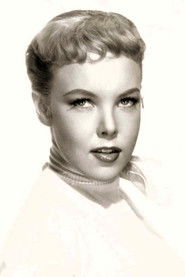
Jana Lund
Sunny Everett
Frequently Asked Questions
What is Don't Knock The Rock (1956) about?
The film follows rock legend Bill Haley as he returns to his hometown, only to be banned from performing by skeptical authorities. With allies like disc jockey Alan Freed and rising star Little Richard, Haley sets out to prove that rock 'n' roll is more than just noise—it's a unifying force for young people.
Who directed Don't Knock The Rock?
Fred F. Sears directed this 1956 rock 'n' roll drama, lending a dynamic visual style to the era's musical rebellion.
Who stars in Don't Knock The Rock?
The film features rock icons Bill Haley, Alan Freed, and Little Richard alongside vocal group The Treniers and musician Dave Appell.
Is Don't Knock The Rock (1956) worth watching?
As a time capsule of 1950s rock culture, the film delivers nostalgic energy and historical significance. While it may lack modern polish, its themes of youth defiance and musical passion make it a must-see for genre fans and classic film lovers.
How long is Don't Knock The Rock?
The movie runs 84 minutes, packing a punch of rock 'n' roll rebellion into a brisk runtime.
About Don't Knock The Rock (1956) — A 1950s Rock 'n' Roll Rebellion on Screen
In the electrifying Don't Knock The Rock (1956), rock-and-roll legend Bill Haley returns home as a conquering hero, only to face resistance from his town's conservative mayor who brands his music a corrupting force.
Directed by Fred F. Sears, this vibrant musical drama pits the raw energy of rock against outdated fears, as Haley enlists the help of fellow icons like Little Richard and disc jockey Alan Freed to prove that rhythm and rebellion can be forces for good. Set against the backdrop of 1950s America, the film captures the clash between youthful exuberance and adult skepticism, delivering a spirited defense of rock 'n' roll as a cultural lifeline.