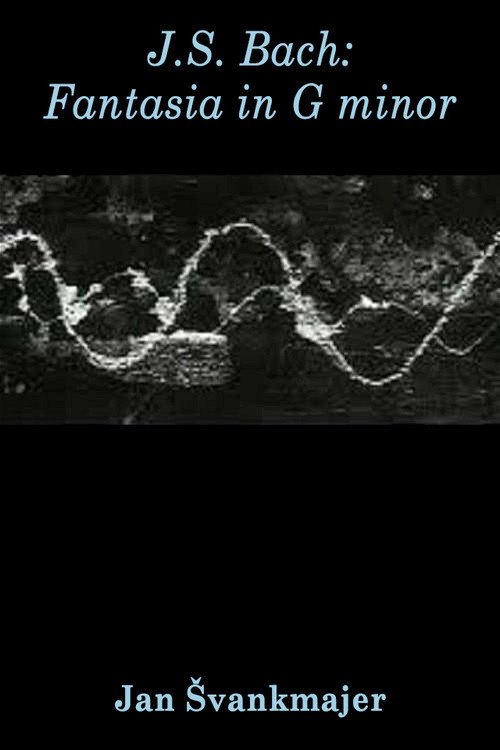
J.S. Bach: Fantasia in G minor 1965
Jan Švankmajer's *J.S. Bach: Fantasia in G minor* (1965) is a mesmerizing 10-minute animated short that pairs the haunting strains of Bach's organ composition with surreal visuals.
Director: Jan Švankmajer
Frequently Asked Questions
What is J.S. Bach: Fantasia in G minor (1965) about?
This short film blends Bach's organ composition with hypnotic animated visuals, featuring expanding cracks in stone walls and fleeting shots of barred windows. It's a surreal exploration of sound and decay, where music and imagery merge into a fleeting, dreamlike experience.
Who directed J.S. Bach: Fantasia in G minor?
The film was directed by Jan Švankmajer, the legendary Czech animator known for his surreal and often unsettling visual style.
Who stars in J.S. Bach: Fantasia in G minor?
Director information is not available.
Is J.S. Bach: Fantasia in G minor (1965) worth watching?
While it's a niche, experimental short from 1965, its fusion of Bach's music with Švankmajer's surreal animation makes it a standout for fans of avant-garde cinema. Its brevity and atmospheric intensity reward those seeking something unique and thought-provoking.
How long is J.S. Bach: Fantasia in G minor?
The runtime is 10 minutes.
About J.S. Bach: Fantasia in G minor (1965) — The Surreal Short Film That Turns Music into Madness
Jan Švankmajer's *J.S. Bach: Fantasia in G minor* (1965) is a mesmerizing 10-minute animated short that pairs the haunting strains of Bach's organ composition with surreal visuals. The film unfolds as a lone musician performs the piece, while the camera lingers on crumbling stone walls whose cracks and gaps pulse with life—expanding and contracting like a living organism. Intercut with these eerie textures are fleeting glimpses of doors and windows shrouded in wire mesh, evoking a sense of confinement and artistic expression intertwined. The animation, though brief, immerses viewers in an atmospheric dreamscape where music and imagery merge into a hypnotic meditation on decay, sound, and the boundaries between reality and abstraction.
Švankmajer's experimental approach transforms a classical composition into a visual symphony, where every frame feels deliberate and charged with symbolic weight. The stark monochrome palette and jagged, almost tactile surfaces create a tactile yet ethereal experience, blurring the line between the tactile and the intangible. For fans of avant-garde cinema and those who appreciate the intersection of music and visual art, *Fantasia in G minor* is a brief but unforgettable journey into the subconscious.