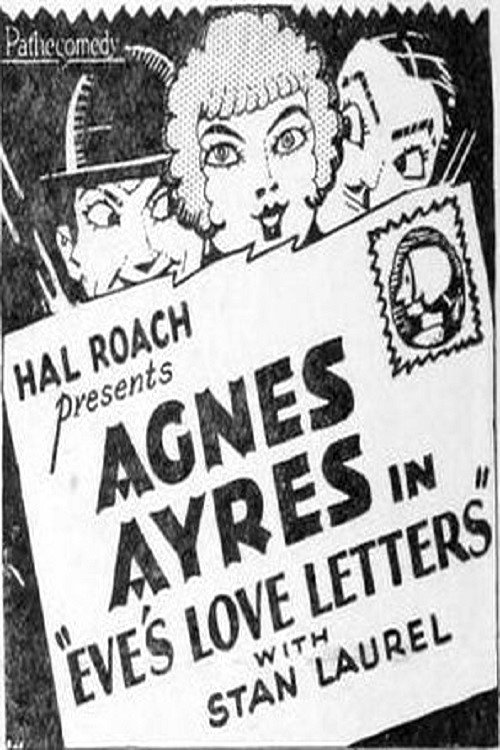
Eve's Love Letters 1927
Eve's Love Letters (1927) is a delightful silent-era comedy short directed by Leo McCarey, showcasing the comedic genius of Stan Laurel in a rare but memorable role.
Director: Leo McCarey
Cast

Frequently Asked Questions
What is Eve's Love Letters (1927) about?
The film follows a well-to-do woman whose romantic entanglements take a wild turn thanks to her meddlesome butler. Chaos ensues as identities blur and misunderstandings pile up, all played for laughs in this breezy silent-era short.
Who directed Eve's Love Letters?
Leo McCarey, a master of early comedy whose sharp wit and timing helped shape the genre.
Who stars in Eve's Love Letters?
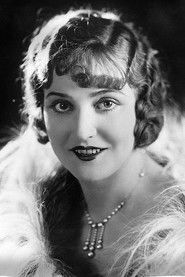
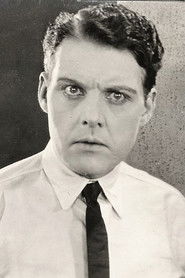
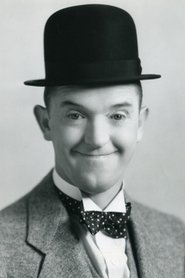
Agnes Ayres takes the lead role, with Forrest Stanley as her leading man, while Stan Laurel dazzles as the mischievous butler.
Is Eve's Love Letters (1927) worth watching?
As a silent-era comedy, it's a charming snapshot of early filmmaking, especially for fans of Stan Laurel's iconic physical comedy. While not a feature-length classic, its short runtime and lighthearted tone make it a fun watch for vintage film enthusiasts.
How long is Eve's Love Letters?
The film runs for 20 minutes—perfect for a quick dose of vintage comedy.
About Eve's Love Letters (1927) — When Comedy Steals the Show
Eve's Love Letters (1927) is a delightful silent-era comedy short directed by Leo McCarey, showcasing the comedic genius of Stan Laurel in a rare but memorable role. Agnes Ayres stars as the elegant woman at the heart of the story, navigating a whirlwind of romantic mishaps while her mischievous butler—played by Laurel—steals every scene with his signature physical comedy. The film's lighthearted tone and playful energy capture the charm of early Hollywood, where slapstick and wit blend seamlessly. McCarey's direction infuses the short with a breezy rhythm, making it a standout among two-reel comedies of its era.
Beneath the surface of its comedic antics lies a playful exploration of class dynamics and mistaken identity, all wrapped in the glossy aesthetic of late 1920s cinema. Ayres brings poise and warmth to the lead, but it's Laurel's chaotic presence that elevates the film from a modest short to a comedic gem worth revisiting for fans of classic film humor.