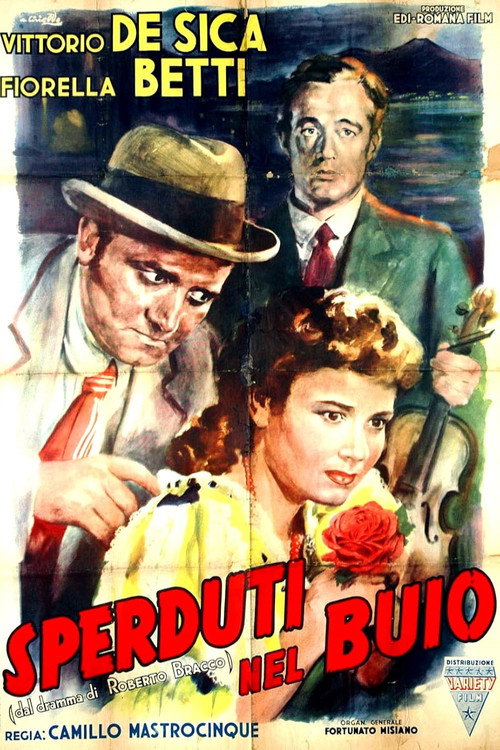
Lost in the Dark 1947
Set against the sun-bleached streets of early 1900s Naples, Vittorio De Sica's *Lost in the Dark (1947)* weaves a gripping tale of power, shame, and desperation.
Director: Camillo Mastrocinque
Cast




Frequently Asked Questions
What is Lost in the Dark (1947) about?
The film follows the harrowing journey of a young woman trapped in a toxic relationship with a violent man who later discovers her noble lineage. His attempt to exploit this secret sets off a chain of deception and emotional turmoil that forces both characters to confront their pasts.
Who directed Lost in the Dark?
The film was directed by Camillo Mastrocinque, an Italian filmmaker known for his contributions to neorealist cinema.
Who stars in Lost in the Dark?
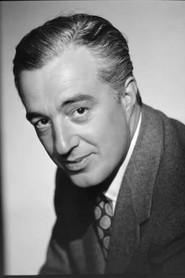
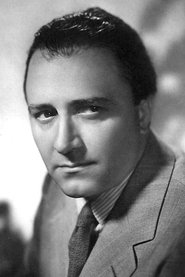
The film stars Vittorio De Sica alongside Fiorella Betti, Jacqueline Plessis, Enrico Glori, and Olga Solbelli in pivotal roles.
Is Lost in the Dark (1947) worth watching?
Though unrated on IMDb, *Lost in the Dark* offers a compelling drama with strong performances from its cast. Its blend of social critique and emotional depth makes it appealing to fans of classic Italian cinema and noir-style storytelling.
How long is Lost in the Dark?
The film has a runtime of 90 minutes.
About Lost in the Dark (1947) — A Gritty Drama of Power and Secrecy in Naples
Set against the sun-bleached streets of early 1900s Naples, Vittorio De Sica's *Lost in the Dark (1947)* weaves a gripping tale of power, shame, and desperation. The story unfolds as a ruthless street tough seizes control over a fragile young woman, only to uncover a secret that could shatter the fragile world she inhabits. With themes of social disparity and the shadows of the past looming large, the film captures a gritty realism that lingers long after the credits roll.
Drenched in dramatic tension, the film's noir-inspired atmosphere contrasts sharply with the opulence of a nobleman's world, as De Sica contrasts light and dark both visually and thematically. The performances—particularly by De Sica himself—anchor the narrative in raw emotion, while the city of Naples serves as more than a backdrop; it becomes a character in its own right, reflecting the moral decay and hidden truths of its inhabitants.