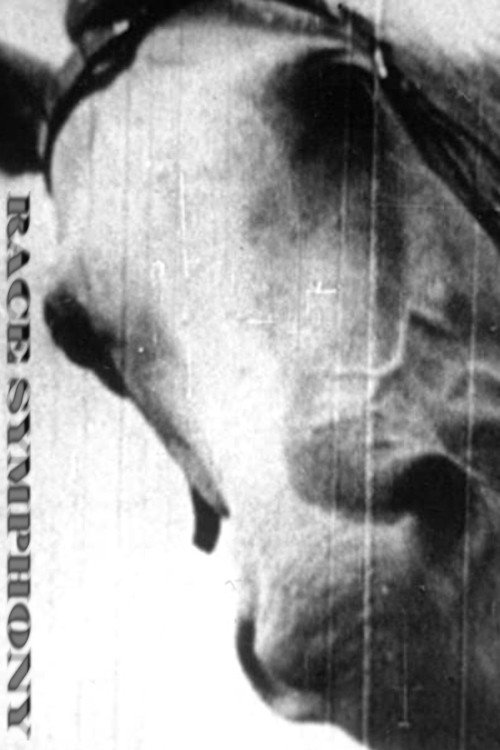
Race Symphony 1928
Hans Richter's *Race Symphony* (1928) captures the electric energy of a day at the German races, where crowds in stylish attire gather to witness thrilling competitions and place their bets.
Director: Hans Richter
Frequently Asked Questions
What is Race Symphony (1928) about?
*Race Symphony* (1928) documents a bustling day at a German racecourse, where stylish crowds gather to watch thrilling races, place bets, and celebrate the excitement of competition. Hans Richter's film transforms a routine event into a dynamic visual experience, capturing the energy of Weimar-era social life.
Who directed Race Symphony?
Hans Richter directed *Race Symphony* (1928), a short experimental documentary known for its rhythmic montage and avant-garde style.
Who stars in Race Symphony?
Cast details for *Race Symphony* (1928) are not listed, reflecting its status as a documentary focused on capturing public spectacle rather than individual performances.
Is Race Symphony (1928) worth watching?
While *Race Symphony* (1928) is a brief five-minute film, its artistic innovation and historical snapshot of Weimar-era racing culture make it a fascinating watch for fans of early cinema and experimental documentaries.
How long is Race Symphony?
Runtime details are not listed, but *Race Symphony* (1928) is a short film lasting approximately 5 minutes.
About Race Symphony (1928) — A Weimar-Era Race Day Captured in Avant-Garde Film
Hans Richter's *Race Symphony* (1928) captures the electric energy of a day at the German races, where crowds in stylish attire gather to witness thrilling competitions and place their bets. Through Richter's lens, the documentary transforms a seemingly ordinary event into a vibrant tableau of early 20th-century social rituals, blending excitement, competition, and communal celebration. The film's rapid pacing and dynamic framing mirror the intensity of the races themselves, offering a snapshot of Weimar-era Germany's leisure culture.
As a pioneering experimental documentary, *Race Symphony* stands out for its rhythmic montage and focus on motion, both in the races and the crowd's reactions. Richter's avant-garde approach turns a fleeting moment into a timeless study of human behavior, where the thrill of victory and the allure of spectacle take center stage. Though brief at just five minutes, the film packs a punch, leaving viewers with a vivid impression of the era's social fabric and the magnetic pull of public entertainment.
Stream or download *Race Symphony* (1928) to experience this cinematic gem and explore its unique blend of documentary and artistic innovation.